One disorder many issues

I have a connective tissue disorder, my diagnosis was that of hypermobility spectrum disorder although with my dental overcrowding as a child, hip dysplasia, high palate and atrophic scaring I am certain it is hypermobile ehlers danlos.

The stress of chasing an amendment to the diagnosis is not something I have the capacity for currently. In truth there is so much overlap in symptoms it may be a moot point. I also have postural orthostatic syndrome and femoral anteversion and ADHD thrown in for funsies.
Here I want to talk about the connective tissue disorder. Even within the medical profession it can be assumed that it simply means being “double – jointed” when in actual fact it is far more system wide than that.

Symptoms vary from person to person but can include joint pain and instability, muscular weakness, fatigue, digestive issues, recurrent injuries, bladder issues, trouble sleeping and now research is gradually showing that in many cases individuals with hypermobile connective tissue disorder also have immune dysfunction.

As with any disorder not every aspect will be the same in any one person. There are many people with hEDS and HSD who have normal immune function. Then there are those like myself and my daughter where it is the most difficult aspect of the issue to deal with.

The joint laxity and sublaxions with the pain that accompanies are definitely annoying but I spent years and years studying how to stabilise the joints to the point where not only can I largely control that aspect but I help others to for a living.

The crushing chronic fatigue I had for decades largely went once I gained a base level of muscle tissue, Simply put it gave my body enough structure that simply existing was not utterly exhausting.

Even my POTS is mostly under control thanks to strength and cardio training.
However the immune system issue is a pervasive one that I cannot control, every year I catch more viruses than is even close to normal. Certainly not normal for someone who exercises, eats well, does not smoke or drink. On average I catch 6 to 8 viruses a year, often followed by secondary infections in ears or sinuses.

That is literally months a year lost due to illness, I can’t always take time off work to rest not when it is that frequent. As a self employed person not working means not being paid which means dragging myself through work and resting when I can inbetween.

I feel at times embarrassed by frequent sickness, especially as I am in the fitness industry. Though of course I came to the industry as part of working with my disabilities.
I certainly have a degree of internalised ablesism in that I feel embarrassed by something I have no control over, but I do.

I also feel powerless as there is nothing I can do to make the situation any better, of course over the years I have tried ever supplement under the sun from high dose vitamin C, colostrum, echinacea, thymus extract, juices, green sludge, vitamin d NAC and a 100 others I can’t remember. I must have spent 1000s to no avail. The reality is that people with a functioning immune system didn’t get there through a tablet from Boots. Their immune system works because it does. The other fact is if there was a single supplement that actually helped with low immunoglobulins the NHS would be over the moon as those who are worse than my daughter and I and therefore qualify for infusions cost the NHS 1000s each per month.

Perhaps at some point a therapy will prove effective, I am currently trying low dose naltrexone which has good reports but we will see!! Until then I have to admit it is at times soul destroying to go from infection to infection and have to drag myself through the day more times than I would like to admit. It is devastating to never be able to plan a concert or night out because virtually every time recently come the day either my daughter or I have picked something up and going would be more draining than is worth it. That happened so many times last year we have given up. Which means there is rarely anything to look forward to. It is genuinely depressing to do everything possible to optimise my health and still have no control over when I am well.

It is infuriating to have the constant recommendations of this vitamin or that vitamin because of course a supplement is going to fix an immune system that doesn’t work.

Then pity on top of that is utterly maddening. As is the fact that if my daughter and I had just one point lower igG wise we would qualify for treatment that would immediately give us a normal immune function and quality of life. Just 1 point.

Research in the past decade has found that

1. Immune abnormalities are common in hEDS/HSD clinic cohorts, including antibody (Ig) deficiencies.

A 2015–2019 community Allergy/Immunology cohort (n=974) found high co-occurrence of hEDS/HSD with mast-cell disorders and immunoglobulin deficiencies; 45% of all Ig-deficiency cases also had hEDS/HSD. Authors highlight “recurrent/chronic inflammation” and suggest screening for Ig deficiency in hEDS/HSD patients who have frequent infections. That is nearly half of the patients examined with low igG who were found to also have a connective tissue disorder. Both my daughter and I have low immunoglobulin G.
https://pubmed.ncbi.nlm.nih.gov/34747107/

2. ENT infections appear elevated in EDS (pediatrics).

A 2024 otolaryngology study reported higher risk of acute sinusitis (along with allergic rhinitis, OSA, and hearing loss) in children with EDS vs controls, hypothesising immune dysfunction as a contributor. Anecdotal evidence in forums and my own experience would indicate that this prevalence does not necessarily end with childhood. I suffer from regular sinus infections and have rhinitis that is year long to a degree that baffled even an ENT as allergy tests were inconclusive for how inflamed my nasal passages are.
https://pubmed.ncbi.nlm.nih.gov/38657428/

3. Potentially there is systemic immune dysregulation in hEDS.

Research released in October this year studying proteins within the body found complement and cytokine pathway differences in hEDS vs controls consistent with immune dysregulation that could plausibly alter infection susceptibility.
https://academic.oup.com/immunohorizons/article/9/10/vlaf044/8256436

4. Genetic hypotheses linking hEDS, mast-cell hyperreactivity, and infection susceptibility.
A 2024 molecular review/analysis proposed genetic variants that may underlie mast-cell hypersensitivity and increased infection risk in hEDS.
https://www.mdpi.com/1467-3045/46/10/689

5. Post-infectious vulnerability (Long COVID) looks higher with hypermobility.
Multiple human studies suggest people with joint hypermobility are ~30% more likely to report prolonged symptoms after COVID-19, and extreme hypermobility may raise risk of Long COVID partly via autonomic/vascular mechanisms.
https://www.ehlers-danlos.com/study-finds-people-with-joint-hypermobility-may-be-more-prone-to-long-covid

Yoga and jogging Mon 6th

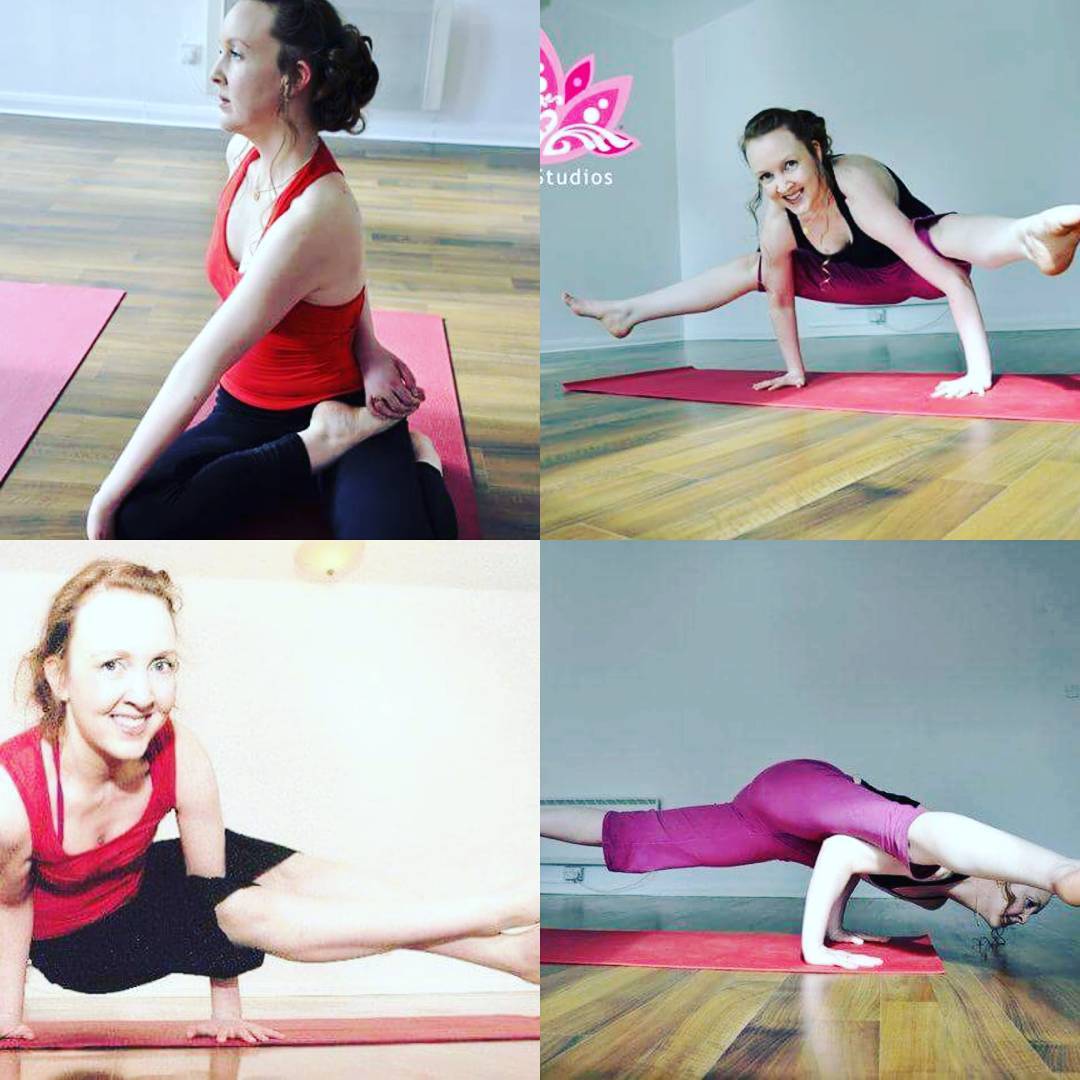
I added a dedicated yoga practice back in recently in order to balance my olympic weightlifting workouts.

Something that surprises a lot of people is that hypermobile folk need to stretch. Particularly if they resistance train in any form.

Because our poor connective tissue causes unstable joints capsules muscles are prone to spasms and over tightening. This is quite literally the bodies attempt at compensation for the joint laxity.

Of course that isn’t ideal, what we need to structure our bodies are strong pliable muscles that aren’t excreting excess force on already unstable joints capsules.

Also I’m kinda old so mobility as well as resistance work is a good idea. Especially as I’m learning something new and challenging.

Anyway I started Ashtanga yoga again which I haven’t practice in years. I still remember primary series (mostly) so picking it up again seed like a good plan.

I’ve been joining an online Mysore style with a teacher called Adam Keen who seems great. I’m being careful to not overdo it though especially before training days.

It’s fun to get back into a little ashtanga though 6 am is ooof.

Oh and at the grand old age of 52 I did a headstand for the first time ever today. I was also too nervous and didn’t trust my strength. I suspect years ago I actually wasn’t strong enough to stabilise in headstand. But anyway that was pretty cool.

After that it was a 30 mins jog at the beach and a really beautiful morning for it too!

Session 33 – Learning Olympic Lifting Diary

I love Sunday sessions the most, I don’t have work straight after and I usually have had an early night on Saturday which means I feel just a little more alive in the morning.

Today’s session felt generally good, there were a couple of positions that I am being to feel a little more comfortable in such as the overhead squat and clean pulls, jerks still are a struggle. Perhaps more mentally than anything, I am so in my head about the femoral anteversion that I perhaps subconsciously look for problems. For example in a jerk position with my left leg behind I feel like the knee is dropping in and the ankle unstable. But is that just because I expect it to be unstable? I have always felt the rotation was worse on the left side but who knows?

Front squat felt pretty good as did power clean. Honestly I bloody love a power clean!

Next session is Wednesday with Ashtanga yoga on Monday possibly a little running also and a rest day on Tuesday.

Learning Olympic Lifting – A Diary

A year or so ago I decided to start learning Olympic lifting (if you do a search you will find a post somewhere about it) then a tweaky elbow and a slew of family ups and downs meant that I just did not have the time, capacity or finances to learn a new thing. Obviously I continued exercising but the free weights and HIIT style workouts I was use to.

Late this spring I decided I wanted to try again. Due to time and caring commitments realistically it made sense to find an online coach. I looked at a HUGE number of websites until I found this one https://www.trainingweightlifting.com/ the content was informative, educated and well written, I really felt like this was someone I wanted to work with. I was right, the coach in question is Lionel Isaac a coach who has a lifetime of experience training, coaching and competing. Not to mention many an academic qualification (we all know how much of a nerd I am!).

After a brief online chat Leo agreed to take me on as client, I have to be honest I feel genuinely grateful that he did. I don’t think I have ever learned as much from a trainer or a PT. What I particularly like about Leo’s method is it is very technical and incredibly precise, there is no single aspect that is left out of any of the lifts and honestly I love it!

Right now I have had 33 coaching sessions with Leo, between 90 mins and 2 hours each and all have been highlights in my day. Without stating the obvious there are a few obstacles in my way when it comes to learning a new physical skill, firstly I’m 52 and in surgical menopause then of course there is the hypermobile ehlers danlos, postural orthostatic tachycardia syndrome and femoral anteversion.

As far as the being a touch on the older side the way I see it is that means there is all the more reason to learn a new skill. I firmly believe that it’s not just that we stop learning or experiencing the new because we get old but that we also get old because we fail to push our boundaries. We become complacent within our comfort zones, settle into routines and gradually find our capacity for the new becomes diminished. Plus all resistance training reduces the risk of both osteopenia and sarcopenia.

With regard to the slew of this and that my body has going on, I understand that various diagnoses mean I am classed as disabled, but I have always refused to see the various hurdles I have as reasons to not try anything. If anything the fact I am so naturally rubbish at athletics makes me more stubbornly determined to prove I can, what I lack in natural ability I have always made up in consistency and determination.

Then there is the fact that for me getting strong was life changing, I went from having chronic fatigue due to my lack of natural physical structure to having a close to normal level of energy. Joints sublax and dislocate less and my POTs symptoms are negligible as long as continue exercising. In other words some form of resistance work is essential to my day to day health so why not Oly style lifting.

With the ability to have 3 sessions a week with such an amazing coach I know over a year or so I will begin to feel stable and confident in the lifts. The biggest issue I have is that from what I understand in order to fully enjoy the sport at some point I really should enter a contest. It is after all a sport and sports tend to involve doing something outside the house with other actual people. The thought of that fills me with utter terror. I was horrendously bullied as a kid, my femoral anteversion was a large target for the bullying but so was my utter incompetence at sports. Sadly the more unsure I became of my body the less I ran, played or tried sports which meant that I continued to incredibly weak, slow and generally physically unstable. It became a chicken and egg situation where the more I was mocked the less I did, the less I did the less likely it was that I would develop any athletic skill and the weaker and slower I remained.

Sports days were a nightmare for me, being forced into races that I knew I would come dead last at every single time still leaves me with a feeling a dread that actually makes me feel sick. It was an exercise in public humiliation each year. If my parents had allowed me stay off sick I would have in a heartbeat. At the end of of a race when coming dead last…again what was worse than sniggers was the pity clap. Oh god, the pity clap makes me actually want to curl up into a ball. Usually it was part sarcasm, part “oh bless, poor thing can’t do better” the implication being not only bad at sports but just a bit useless generally. If you are someone reading this with any form of visible physical disability you likely have also had the experience of people presuming it extends to your mental acuity. That was very much a part of my experience with any kind of public physical endeavor, dread, followed by failure accompanied by pity and being treated as though I was mentally disabled.

You can imagine then that the idea of doing anything in public in particualr a contest does not fill me with much joy. In fact sitting here typing even thinking about it brings a welling of that nauseous terror to the pit of my stomach.

Still at some point I want to do it, for me, for my daughter who has as many health issues as I do plus some worse ones her genetics through in for good measure and because I can do better. Because I always was more capable than I showed and if one person had taken me in hand, helped me develop some running ability helped me build some structure I may never have developed chronic fatigue. I can’t say I wouldn’t have been bullied because once it starts it very often never ends but maybe it wouldn’t have been so bad that as a teen I would go to bed praying fervently and in all sincerity that I just…would…not…wake….up again. Finally I want to do it for each and every person who experienced growing up not trusting their own body or is capability to do anything athletic, When the truth is they likely absolutely can, those of us not naturally gifted may never set world records but we can learn new skills, improve our health and longevity and have huge fun while doing so.

I don’t know where I am going with the Olympic lifting but I have always firmly believed that a new skill learned is of value in itself. Mostly I am enjoying the process.

For the moment I am going to plod along with 3 coaching sessions a week and give myself time to grow in ability and confidence, there is no rush to get anywhere or achieve anything. Right now it’s about taking time and enjoying the process.

If you are interested in learning Olympic Lifting I thoroughly recommend Leo both his coaching and books and resources.

Circadian biology, what it is and why it matters!

The more we move away from a natural environment the more it seems we suffer. The rates of chronic health conditions seem to do nothing but increase year upon year. The question is why? As with all things it will be multiple factors but Circadian biology might hold one of the clues.

Circadian biology is an exciting field that explores the natural, internal processes that regulate the sleep-wake cycle and repeat roughly every 24 hours. These biological clocks fundamentally drive how our bodies function by regulating cycles of alertness and relaxation. Understanding and aligning with these rhythms is fundamental to metabolic health and overall wellbeing.

The concept of circadian rhythms matters because these natural processes govern numerous body functions, including hormone release, eating habits, digestion, and body temperature. When these rhythms are in sync with our environment, they promote healing, metabolism, and well-being.

Research has substantiated that when circadian rhythms are disrupted, they can lead to significant health issues. Misalignment can increase the risk of chronic conditions such as obesity, diabetes, cardiovascular disease, and mental health disorders [1]. Shift workers and night shift workers are particularly susceptible. Studies show they suffer higher rates of metabolic disorders than their counterparts [2].

Photo by Jessika Arraes: Pexels

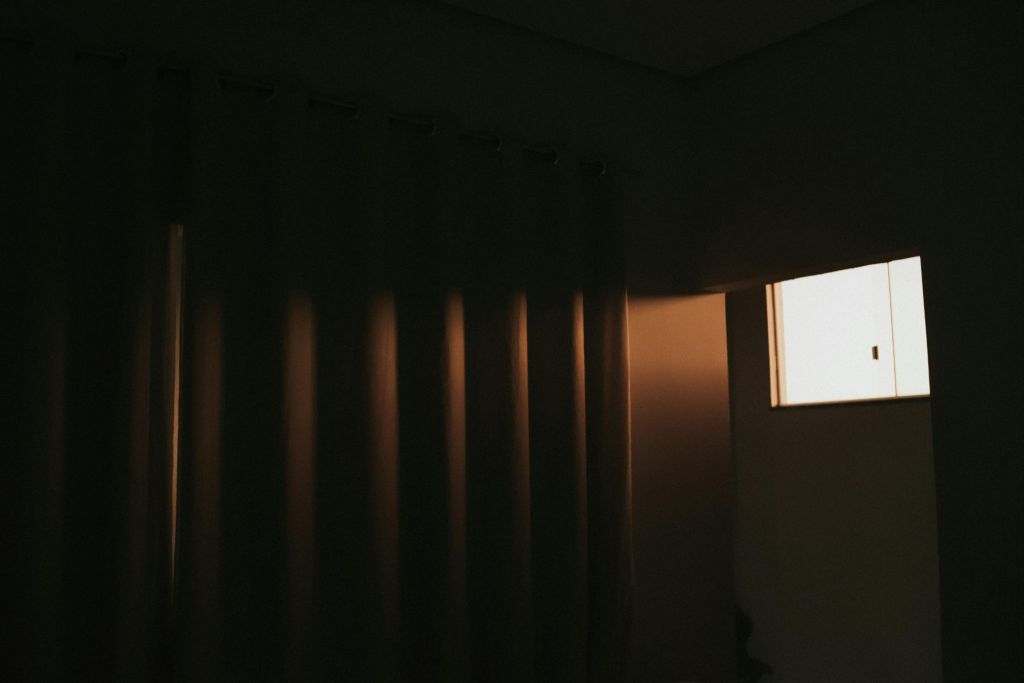
One vital aspect of aligning with circadian rhythms is ensuring sleep occurs in total darkness. The absence of light, especially blue light from electronic devices, encourages the production of melatonin, a hormone critical for sleep regulation. Research suggests that sleeping in darkness may also reduce the risk of certain cancers, particularly breast cancer, as prolonged darkness promotes deeper sleep and better hormonal regulation [3]. This dark point in our routine quite simply allows not only for better deeper sleep but the repair mechanisms to take place within the body. Think of it as the cleaning team sweeping through. As discussed in the last post cellular senescence is one aspect of aging and disease, now it’s at night and in the dark the clean up team deals with these cells.

Photo by cottonbro studio: Pexels

Unfortunately we have a number of modern life aspects that interfere with this process. Blue light for example emitted from screens may disrupt the natural circadian rhythm by tricking the brain into thinking it is still daytime. To counteract this, it’s vital to reduce screen time before bed or use blue light blocking features. Similarly, ample daylight exposure during the day reinforces our body’s need to rest at night, regulating our sleep-wake cycle efficiently [4].

Photo by cottonbro studio: Pexels

Adjusting our home environment can help maintain healthy circadian biology. This includes dimming lights in the evenings, investing in blackout curtains, and creating a bedtime routine that reduces screen exposure. Daytime exposure to natural light aids in setting a robust circadian rhythm [5].

Essentially we want to start our day in bright light ideally daylight to allow the body to know its day time and end it in total darkness to create the optimal environment for cellular clean up.

In other words optimizing circadian health involves ensuring regular exposure to natural light during the day, minimizing blue light exposure after dusk, and sleeping in total darkness. Embracing these practices helps harmonize our biological clock with nature, enhancing metabolism and overall health.

If you would like to have personal training, yoga or Pilates in a private gym in Alnwick please get in touch.


References:
1. Institute of Circadian Research, 2021.
2. Night Workers Health Study, Medical Journal, 2020.
3. Sleep and Cancer Study, Health Science Review, 2019.
4. Blue Light Effects Analysis, Journal of Sleep Research, 2018.
5. Home Environment and Sleep, Environmental Health Journal, 2021.

What is cellular senescence and why does it matter in aging?


Cellular senescence is a fascinating biological process where cells lose their ability to divide and grow, essentially entering a state of permanent dormancy. This is not just an ordinary coping mechanism; it is a powerful tool the body uses to prevent the spread of damage or cancer. However, these non-dividing cells don’t just sit quietly; they secrete pro-inflammatory factors that can affect the surrounding cells and tissue. Over time, the accumulation of these “zombie” cells is believed to contribute to aging and the onset of age-related diseases.

Interestingly, the onset and effect of cellular senescence can vary greatly among individuals, influenced by genetic factors and environmental exposures. Some may experience this cellular shift early in life, while others remain unaffected well into their later years. This variation can explain why some people age more gracefully than others.

Photo by Andrea Piacquadio: Pexels

Is this shift a foregone conclusion or do we have control over it?

Regular exercise is often touted as a miracle drug for its anti-aging benefits. It’s like turning down the dimmer switch on cellular senescence. Exercising regularly helps clear out senescent cells through processes like autophagy, where the body cleans out damaged cells and makes room for new, healthy ones. This rejuvenation process not only helps you age better but can also enhance your overall vitality. Both high intensity and zone 2 seem to have this benefit which means that as long as you are raising your heart rate it’s doing good!

Photo by Eva Bronzini: Pexels

Another potential is fasting, which gained a lot of attention in the past few years and has been proposed as another method to reduce cellular senescence. It’s thought to both stimulate autophagy and affect key pathways involved in longevity, like mTOR and AMPK. However, there is research that disputes the simplicity of this model (1). Some studies suggest that the benefits of fasting may not be universal and could vary with genetics, dietary habits, and lifestyle factors (2).

Our light environment also plays a crucial role in managing cellular health. The popularity of red and near-infrared light therapy is on the rise, known for its potential to promote cellular repair and reduce inflammation. However, the modern age brings challenges with blue light exposure, particularly from screens, which can disrupt circadian rhythms and potentially accelerate cellular aging (3). Ideally we want our light environment to be as close to nature as possible which means getting outside during the daytime and sleeping in total darkness.

Supplements like antioxidants (resveratrol and vitamin C) and NAD+ precursors claim to combat cellular senescence by mitigating oxidative stress and supporting cellular repair (4). While promising, these should ideally complement a balanced lifestyle involving diet, exercise, and stress management.

In summary, the best strategies to mitigate cellular senescence include regular exercise, mindful fasting, managing light exposure, and potentially incorporating supportive supplements while awaiting further scientific validations. Balancing these lifestyle choices could help us enjoy a healthier and slower aging process.

If you would like to have personal training, yoga or Pilates in a private gym in Alnwick please get in touch.


### References
1. Longo, V.D., & Mattson, M.P. (2014). Fasting: Molecular Mechanisms and Clinical Applications. *Cell Metabolism*, 19(2), 181-192.
2. Brandhorst, S., et al. (2017). Effects of Prolonged Fasting and Refeeding on Stem Cell Signaling Pathways. *Nature Cell Biology*, 19(6), 743-753.
3. Chang, A.-M., et al. (2014). Evening Use of Light-Emitting Tablets Negatively Affects Sleep, Circadian Timing, and Next-Morning Alertness. *PNAS*, 112(4), 1232-1237.
4. Ho, Y.-S., et al. (2020). Antioxidants and Their Anti-Aging Mechanisms. *Molecules*, 25(15), 3565.

No matter your age you should be resistance training!

Photo by Pixabay: Pexels

Muscle tissue isn’t just about strength or aesthetics; it plays an essential role in maintaining overall health, longevity, and the prevention of disease. Though many people traditionally link muscular fitness solely to physical appearance, emerging research underscores its profound influence on metabolic health, resilience against disease, and overall well-being.

First and foremost, muscle tissue is a metabolic powerhouse. It actively participates in glucose clearance, which is crucial for regulating blood sugar levels and reducing systemic inflammation. In fact, the more muscle mass you have, the better your body’s ability to metabolize glucose, potentially lowering the risk of developing Type 2 diabetes (1). Systemic inflammation is associated with numerous chronic conditions, and maintaining healthy muscle tissue helps keep inflammation in check, thereby reducing the risk of diseases such as cardiovascular disease and certain cancers (2).

Photo by RDNE Stock project: Pexels


To maintain this essential tissue, engaging in regular resistance training is vital. Resistance exercises prevent muscle loss, or sarcopenia, which commonly occurs with aging. Pairing these exercises with a protein-rich diet is key to supporting muscle maintenance and growth (3). Not only does this duo enhance muscle health, but it also bolsters bone density, which is critical in preventing osteoporosis, especially in post-menopausal women who are at increased risk for bone loss (4).

Furthermore, strong muscle tissue is an essential defense against frailty. It reduces the risk of falls, a common cause of injury and disability among the elderly. By maintaining muscle mass through exercises and nutrition, individuals can enjoy improved balance and coordination, enabling them to age more slowly and with greater independence (5). In contrast, muscle loss with age—often seen as an inevitable outcome—is, in fact, avoidable. Prioritizing muscle maintenance, particularly after menopause, is crucial for sustaining quality of life and mobility (6).

Photo by RDNE Stock project: Pexels


Low muscle tone, unfortunately, brings a host of risks. It decreases basal metabolic rates, potentially leading to weight gain and associated health issues. Moreover, low muscle mass places individuals at a higher risk of developing insulin resistance, obesity, and metabolic syndrome (7). Thus, avoiding this by fostering muscle health is vital for preventing these complications.

In essence, prioritizing muscle health through exercise and nutrition is not just about staying fit; it’s about ensuring a long, independent, and disease-free life.

If you would like to have personal training, yoga or Pilates in a private gym in Alnwick please get in touch.


**References**

1. Williams, R. et al. (2015). “The Metabolic Role of Muscle.” *Journal of Glucose Management*.

2. Smith, J. (2017). “Inflammation and Chronic Diseases.” *Global Health Review*.

3. Thomas, L. et al. (2018). “Protein and Muscle Maintenance.” *Nutrition Today*.

4. Jones, M. (2020). “Bone Density Post-Menopause.” *Women’s Health Reports*.

5. Wilson, A. (2019). “Falls and Frailty.” *Aging and Mobility Studies*.

6. Clark, S. et al. (2021). “Preventing Age-related Muscle Loss.” *Geriatric Sciences*.

7. Brown, T. (2022). “Low Muscle Tone and Metabolic Health.” *Endocrine Insights*.

Getting back into exercise

Photo by MART  PRODUCTION: Pexels


Perhaps like a lot of people in the new year you are thinking about dusting off your trainers and getting back into exercise? The question is how do you set yourself up for success? Whether you’re returning after a long break or just revamping your routine, it’s crucial to approach it thoughtfully and safely.


First things first—be gentle with yourself as you restart your fitness journey. Begin with light workouts or physical activities that you genuinely enjoy, like cycling, dancing in the kitchen swimming, or even brisk walks. The key is to ease your body back into the rhythm of regular exercise without overwhelming it. If you are wanting to learn a new skill such as yoga, Pilates or start resistance training with free weights I would strongly recommend classes or a trainer. That way you learn the correct form and exercises can be adapted to your needs. This is especially important if you have old or existing injuries or underlying health conditions. Nothing ruins a good intention like an injury.

Photo by Kampus Production: Pexels

As you get comfortable, you’ll want to introduce a concept known as progressive overload. This means gradually increasing the weight, intensity, or duration of your workouts to continue challenging your muscles and seeing improvements. It’s a crucial strategy to keep progressing, but always listen to your body and adjust accordingly. If you don’t incorporate progressive overload at best you stop progressing but at worst you can even regress. The body is incredibly good at adapting which means if you don’t continue to challenge it, your body will adapt to the stimulation so we’ll the starting program will no longer do much. If you are working with a trainer or coach they will handle this aspect for you.

Photo by Marcus Chan: Pexels

After a while you might lose the motivation to continue, you will I’m sure have very personal reasons as to why you started it’s worth remembering this initial motivation. Here are a few potential reasons to move that hopefully will keep you motivated.

1. **Bone Health**: Regular exercise, particularly weight-bearing activities like walking and weightlifting, is essential for maintaining bone density. This helps prevent conditions like osteoporosis, keeping your bones strong as you age (Hamdy, 2021).

2. **Preventing Sarcopenia**: As we age, muscle mass naturally declines, a process known as sarcopenia. Staying active and engaging in resistance training can slow down this process, helping maintain muscle strength and size (Janssen, 2018).

3. **Independence and Enjoyment**: Fitness isn’t just about looking good—it’s about feeling good and being able to live life on your terms. Regular movement helps maintain independence, making daily tasks easier and more enjoyable. Whether it’s playing with your kids, gardening, or dancing, staying active enhances your quality of life.

Finally how do you set yourself up for the best chance of success?

– **Set Realistic Goals**: Start with achievable targets and slowly increase them as you build strength and endurance.
 
– **Find a Buddy**: Sometimes, having a workout partner can provide extra motivation and make activities more enjoyable.

Photo by Elina Fairytale: Pexels

– **Hire a Trainer**: Perhaps you already know you struggle with what to do and when or sticking to a program. Having an appointment keeps you accountable and takes care of “where do I start and what do I do”. It is also really important to seek the advise of someone who knows what they are doing if you are recovering from illness or injury. Part of which might be getting clearance from your doctor then seeking a trainer who can work with/around that condition.
 
– **Celebrate Small Wins**: Every step forward is progress. Celebrate milestones, no matter how small.

– **Remember why you started**: Keep in mind your personal reasons for starting as well as those listed above. Exercise is a lot like brushing our teeth, we don’t always want to do it, but we know it’s critical to good health.

Remember, the goal is to enjoy the journey as much as the results. Stay patient, be consistent, and your efforts will surely pay off.

If you would like to have personal training, yoga or Pilates in a private gym in Alnwick please get in touch.

### References

– Hamdy, R.C. (2021). The Effect of Exercise on Bone Density. *Journal of Osteoporosis*, [online] Available at: <https://www.journalofosteoporosis.com&gt;
 
– Janssen, I. (2018). The Challenge of Sarcopenia: Musculoskeletal Declines with Aging. *Public Health Reviews*, [online] Available at: <https://www.publichealthreviews.com&gt;

If you would like to work with a personal trainer also qualified in yoga and Pilates in a private home gym in Alnwick please get in touch.

What to consider when hiring a trainer

When considering hiring a personal trainer, it’s essential to evaluate your needs and the type of environment where you’ll thrive. Do you prefer the bustling atmosphere of a busy gym, or do you find solace in a quieter, more private setting? Are there specific areas of concern such as sensory overwhelm or allergies?

Recognising this will narrow down your choices and ensure you feel comfortable and motivated during your training sessions.

Photo by cottonbro studio: Pexels

For those with specific health concerns, it’s crucial to find a trainer with the requisite expertise or experience in dealing with such issues. A trainer with several years under their belt may offer invaluable insights and precautions tailored to your unique requirements.

The modern world offers ample ways to vet your potential trainer. Start by exploring if they have a professional website or a presence on social media. This not only gives you a glimpse into their training philosophy but may also showcase reviews and testimonials. Positive feedback from past clients can provide reassurance about their skills and professionalism.

Qualifications are indispensable in the fitness industry. Don’t hesitate to ask to see evidence of their certifications. A certified trainer should proudly present their qualifications, assuring you of their competency.

Equally don’t be afraid to ask details about the qualifications, a weekend course is not the same as a year long one. Short day long or weekend courses or even entirely online are becoming common in the yoga and Pilates world. The depth of this type of qualification is not the same as one taken over many months or years in a studio

Similarly, inquire about their experience. This can be of particular importance of you have specific health concerns or needs that are relevant to your training.

Some trainers specialise in specific areas, while others cover a spectrum that includes yoga, Pilates, resistance, and cardio training. Know what you’re looking for in a training programme to ensure it aligns with your personal goals and interests.

Photo by cottonbro studio: Pexels

Budget constraints can be a significant factor in decision-making. Generally, a newly qualified trainer working within a public gym will be more affordable than a seasoned trainer with their premises. Remember, the more advanced and varied the trainer’s qualifications, the higher their rate might be. Therefore, it’s about finding a balance between expertise and affordability.

Finally check what their billing schedule is, some trainers ask for a minimum booking others week to week. I for example work on a week to week basis with no minimum booking required but I do have a 24 hour cancellation policy.

Ultimately, hiring a personal trainer is a personal decision. Aim to get the best value for your budget while ensuring they are the right fit for you. Always feel empowered to ask questions and be transparent about what you’re seeking in your fitness journey. If unsure ask to meet beforehand and have a chat about what you are looking for to see if that trainer fits your bill.

If you would like to have personal training, yoga or Pilates in a private gym in Alnwick Northumberland please get in touch.


[^1]: Smith, J. (2022). “The Benefits of Personal Training.” Fitness Journal.
[^2]: Brown, L. (2021). “Understanding Qualifications: A Guide to Fitness Training Certifications.” Health & Fitness Review.

Autism/ADHD and the wellness/health sphere

Once again today when casually looking at health related content autism and ADHD were being vilified. 

I’m going to try and put my thoughts into words here without sounding confrontational or failing to make sense. I also want to make it clear that these are my thoughts and experiences as a neurodivergent person I do not claim to speak for all.

I am a quite well educated person with a couple of degrees and am working on a law PhD. I’m also a personal trainer/yoga teacher and Pilates instructor and use to love learning more about new discoveries in how to improve my health, my families and my clients. 

I also have ADHD, my husband is autistic, my 82 year old mum is autistic, my eldest son is AuDHD, my daughter is autistic my middle one we suspect has ADHD. 

I find it difficult to put into words how upsetting it is every time I watch a health expert or wellness guru I enjoy on YouTube or flick through stories on Instagram to see that really they would rather I and my family wouldn’t exist. 

Of course not once and I mean literally not once has any of these professionals spoken to a neurodivergent person on their channels while discussing us. We are never included in the conversation or spoken to, only spoken about. With the conversation centred on what they believe “caused” us and how to “fix” us. Half facts are stated such as “the microbiome in autistic people is less diverse than neurotypicals” the inference being that gut bacteria causes autism. Without ever acknowledging that most autistic people have a handful of safe foods they eat on repeat. We know that the greatest driver of gut diversity is food diversity so I ask you, does the microbiome cause the autism or is it more likely that the autism causes the microbiome. Of course never bothering to talk to an actual autistic person they likely won’t consider this. 

So wellness gurus here’s my lifestyle. I exercise daily, I follow circadian health patterns, I eat a whole food, high plant organic meat diet, I use red light and NIR daily, I added NIR back into my family’s daily environment, in the summer we get outside often. In the winter for at least an hour a day and this winter we have been embracing cold. 

Do all the above help my health? Yes, of course. Do various things help with some of the symptoms of my ADHD? Absolutely. Some also have helped my daughter. 

For example a Circadian biology focus and daily red and NIR has helped my daughters anxiety and OCD massively. Far more than any medical intervention ever did. 

Sticking to a good light routine helps my focus and to a degree impulsivity. 

Is she still autistic? Yes.

Am I still ADHD? Yes.

We haven’t “cured” ourselves, we’ve found ways to optimise our health as neurodivergent people. In the exact same way as neurotypicals can optimise their health both physically and mentally.

When I try and raise this type of conversation I’m often told that something that boils down to “oh we don’t want rid of your type of autism or ADHD just the difficult people”

It’s then acknowledged that the autistic people like my husband who pretty much built silicon valley and keep the tech industry going are ok to keep around. Or the autistic people like my daughter who understands Physics like it’s as natural as breathing, or the many professors at universities who we all know are autistic of the savant side.  

Which means as neurodivergent people our right to be seen as being ok to exist in society is how well we blend with the neurotypical world or how useful we are to the neurotypical world. This is an issue across the board with disabilities. 

Or the suggestion is made that we separate what use to be called Asperger’s (anyone want to be named after a nazi child killer? Yeah me neither) and autism. Or “high” functioning and “low”; functioning. 

Except for neurodivergent people the terms aren’t always helpful.

Someone who is seen as “high” functioning because they are able to fit into society, have a brilliant mind and a good job might be masking most of the time and have significant support needs outside of work. They might struggle deeply with social interactions or finances but feel they can’t access help because they have never been told that their symptoms are varied and impact different aspects of life. Divorce rates for example are extremely high with autistic people. One of the potential ways of avoiding this might be to help couples understand each other’s neurology and support needs rather than thinking that the other person just doesn’t care or isn’t trying.  

Many neurodivergent people prefer to refer to support needs. I have for example low support needs but benefit greatly from my husband’s attention to detail in editing university work and making sure footnotes etc are correct. The last faffy bits of work and fine detail my ADHD finds mind numbingly suicidally dull.

My daughter is ridiculously intelligent but has at times significant support needs outside of academics.Individuals who have high support needs and need round the clock care can also be extremely loving beautiful people not deserving of the label low functioning. 

Then there’s the line I hear constantly and I mean constantly is that diagnoses are on the increase. That it’s a big problem and essentially we must end this plague of these weirdos. I always love feeling like I shouldn’t exist. 

My personal thoughts on the increase in diagnosis are as follows:-

A more diverse group of people are being diagnosed. Firstly older people who did not have the option of being diagnosed due to the diagnosis simply not existing when they were young or because if it did the only people who were put forward for diagnosis were those who caused other paths most problems. My mum growing up would not have been diagnosed even if autism was known about because she was able to pass as normal. She however struggled all her life with various aspects of her family life, friendships and career and when she was diagnosed at 80 it was a huge relief. She wasn’t getting it wrong. She was autistic. 

I wouldn’t have been diagnosed as a kid even if the option were available as I passed in society. I was diagnosed at 50 although I realised I was ADHD years before. But had I been able to be I would have avoided a bad marriage at 19, managed to get through my first degree on attempt one and avoided a number of other not optimal adventures as a young woman. My daughter had I not pushed for diagnosis would not have been put forward for diagnosis as she was quiet and well mannered but being diagnosed has allowed the university to support her in ways that optimise her experience and allows her to have not received a mark below 80% most are over 90. The only one of us who would have been diagnosed would be my eldest son because he was a pain in the arse at school. 

In other words even when diagnosis became common it was only open to those with the most obvious symptoms and then sadly  it was often mainly for the benefit of others. Although I realise that many parents seek diagnosis thankfully in order to help their children. Now we are seeking diagnosis for ourselves for our benefit and for the benefit of our children to allow them to gain the best in life. Not just because we are a problem. 

It wasn’t that long ago even into the 80s in some places that people who had the more obvious symptoms were institutionalised and never able to have a family. Thankfully that no longer happens which means more neurodivergent people are having children. 

I do think that anxiety, OCD, extreme poor attention and other mental health struggles within ADHD and autism are becoming more prevalent. As they are in society generally. Add in a change in the world to the high speed noisy environment most of us now live in which is very difficult for neurodivergent people and causes genuine stress and an exasperation of struggles. This then could be leading to autism and ADHD being more noticeable in individuals who at one point in a quiet unstimulated 1970s world just about fitted in. 

What I mean is take someone like me who grew up in the 70s with ADHD which meant a huge amount of time outside, getting up in the morning and going to bed in the dark. No bedroom TV, no devices. Being naughty was staying up reading under the covers!! Virtually no processed food. Then plonk me in the modern world as a child and would my symptoms get worse? For sure they would. I would probably have gone from being a kid that passed (although horrifically bullied for being different) to one that was an utter pain. In other words, changes in the modern world may have led to the expression of ADHD being more obvious and more diagnosed. So yes like a lot of the people in the health world I don’t think that all aspects of the modern world are great for us. For any of us.

We know neurotypical children develop attention and anxiety issues in the modern environment. Could it be worse for neurodivergent children who already struggle with attention or anxiety?

Does that mean there are more ND children or that children who might have passed as NT no longer can? I am not suggesting for one second that passing was a good thing by the way here, just that our modern world at times might be pretty awful for our neurotype and generally make life harder. 

I also think there are neurotypical children who develop ADHD like symptoms due to overstimulation, poor diet (which is often over caloric and nutritionally deficient) and not enough movement or sleep.They are diagnosed when they aren’t neurodivergent they are struggling in a modern environment. 

Finally autism and ADHD are more known about, more spoken about and it’s (outside of the health sphere where we are still made to feel like pariahs) accepted. Which means more people are aware enough to look for a diagnosis or put their children forward for diagnosis. 

I often hear people talking about “curing” someone’s ADHD or autistic and my heart breaks. Sometimes it might mean that a neurotypical child has been put in an environment that allowed those symptoms to dissipate but often it means that a neurodivergent child has been taught to hide the way their brain works for the sake of other people. 

If you ever take the time to talk to someone who is actually autistic or ADHD that just about always leads to significant problems from addiction to failed relationships and general self loathing. If you love someone who is neurodivergent, help them optimise their life but don’t expect them to not be neurodivergent. 

One of the saddest aspects of the health sphere othering neurodivergent people is there are a number of life tweaks that could genuinely help ND people have better, more enjoyable and successful lives in the same way as they do neurotypicals. Could we use that as a dialogue rather than the “we must get rid of these people” attitude? Could we focus on improving our lives rather than us being an issue to you? Embrace the joys the modern world has brought us while finding ways to change our environment to allow our neurotype to work to its best be that for a person with high support needs or low support needs. 

If you are involved in health and wellness and you believe that certain things will help autistic or ADHD people lead better, more successful lives, phrase it that way. Stop talking about us as a problem, speak about how light or nutrition might help anxiety or focus. Talk about how sleep helps everything. But don’t make it sound like we are your problem to solve. We aren’t and no matter what we do we will still be ADHD or autistic. 

How about being revolutionary and actually talking to a neurodivergent person in the wellness sphere about what has helped them rather than talking about them. There are plenty of diagnosed adults, open a dialogue and be willing to listen rather than tell them how you believe they work. 

Also be aware that the return to making it sound like being autistic or having adhd is the worst thing possible will stop those who can pass in society from seeking diagnosis. Undiagnosed and unsupported ADHD is linked to numerous consequences including very high rates of addiction and criminality. It is to the benefit of the individual that they know how their mind works and can build a life that suits their neurology. 

https://journals.sagepub.com/doi/full/10.1177/10870547231176862

If you are a parent wanting to help your child absolutely do everything you can to help their life be happier and healthier but please please don’t aim to cure them. At best you will be disappointed and they will know it. At worst they will mask in an attempt to appear to be who you want. That as with undiagnosed individuals has risks of addiction, law breaking and divorce. 

Finally let’s be honest you neurotypicals aren’t perfect either! You seem to need to socialise constantly which is exhausting. The passing of time with small talk is boring and incredibly fake. The desire to talk about your feelings all the time when there’s interesting facts we could share is infuriating and for the love of god could you please say what you mean rather than politely skirting around the issue. Then there’s the fact you rarely have a special interest you can share with us, if you do have a special interest you keep it for life rather than absorbing every possible fact before ditching it to hyperfocus on a new one. How do we possibly learn new info from you if you stick to one idea for life. 

But we love you so we accept these quirks 😜

Finally if you made it this far, thank you. I don’t expect you to agree with everything I think but I do think it is important to open a dialogue that includes ADHD and autistic people rather than talking about them or wishing we didn’t exist.

If you are a parent of an ADHD or autistic child consider checking the links below. You might find you yourself have some of the recognised traits of ADHD or Autism. You might even be one of us. That often is the case.

If you are a health professional working with parents with neurodivergent children consider if they could be also be ADHD or autistic.

Heck if you are a hyper-focused obsessive academic maybe give it a go too.

https://embrace-autism.com/autism-spectrum-quotient/

https://psychology-tools.com/test/adult-adhd-self-report-scale