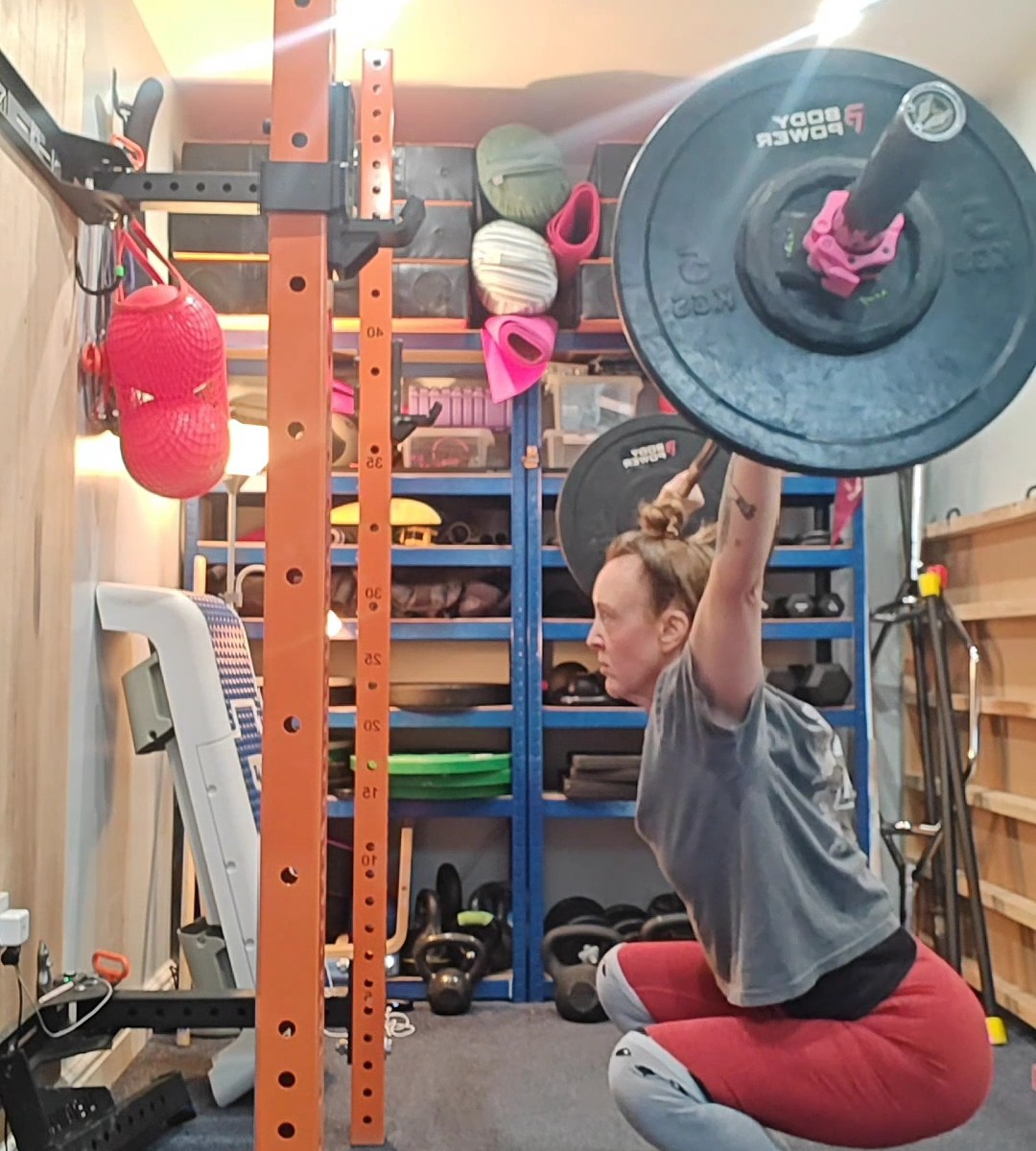
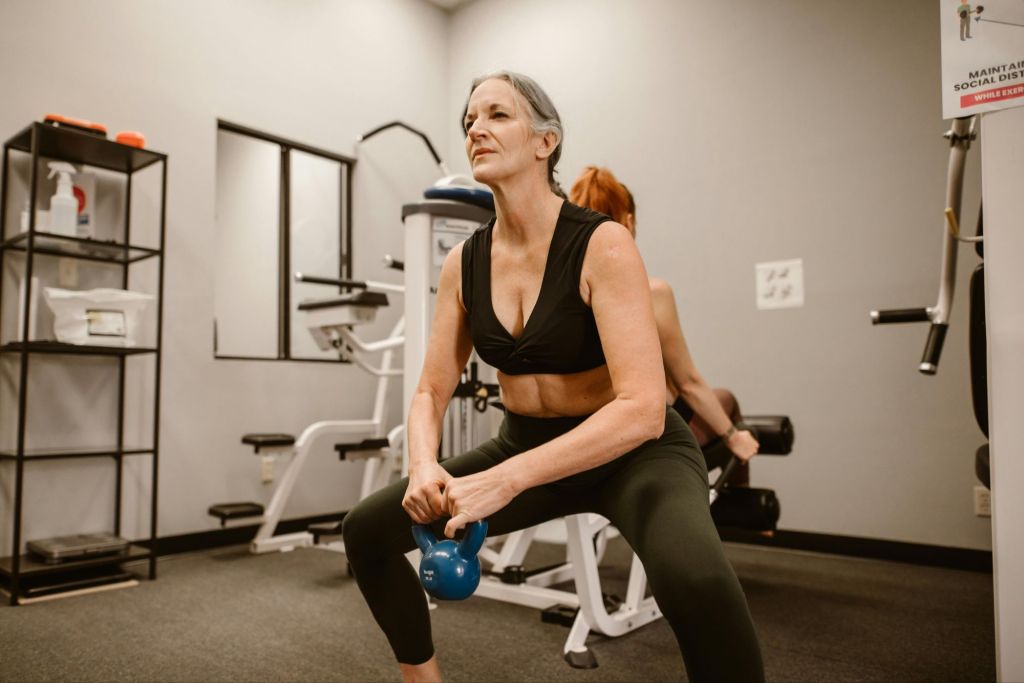
I don’t train to be the strongest person I know I’m not. Nor am I learning olympic weightlifting to win anything, it’s likely I won’t. I train in order to stay as independent as I can for as long as I can. To protect my muscle mass and bone density.
It’s also a big f**K you to all the kids who called me a spastic, spakka legs and bandy. Who made me mistrust and hate my body for having femoral anteversion and a hypermobility spectrum disorder. Nearly 15 years of bullying with not a single adult who intervened, to the point where as a kid I often hoped I wouldn’t wake up.
Over the years since then I’ve learned to love the body I’m in and how to work with it effectively. To take back who I am regardless, and yes I still occasionally get snide comments due to being disabled.
You don’t have to be perfect to enjoy movement and you don’t have to be the best at it to benefit from it!
The more we move away from a natural environment the more it seems we suffer. The rates of chronic health conditions seem to do nothing but increase year upon year. The question is why? As with all things it will be multiple factors but Circadian biology might hold one of the clues.
Circadian biology is an exciting field that explores the natural, internal processes that regulate the sleep-wake cycle and repeat roughly every 24 hours. These biological clocks fundamentally drive how our bodies function by regulating cycles of alertness and relaxation. Understanding and aligning with these rhythms is fundamental to metabolic health and overall wellbeing.
The concept of circadian rhythms matters because these natural processes govern numerous body functions, including hormone release, eating habits, digestion, and body temperature. When these rhythms are in sync with our environment, they promote healing, metabolism, and well-being.
Research has substantiated that when circadian rhythms are disrupted, they can lead to significant health issues. Misalignment can increase the risk of chronic conditions such as obesity, diabetes, cardiovascular disease, and mental health disorders [1]. Shift workers and night shift workers are particularly susceptible. Studies show they suffer higher rates of metabolic disorders than their counterparts [2].
Photo by Jessika Arraes: Pexels
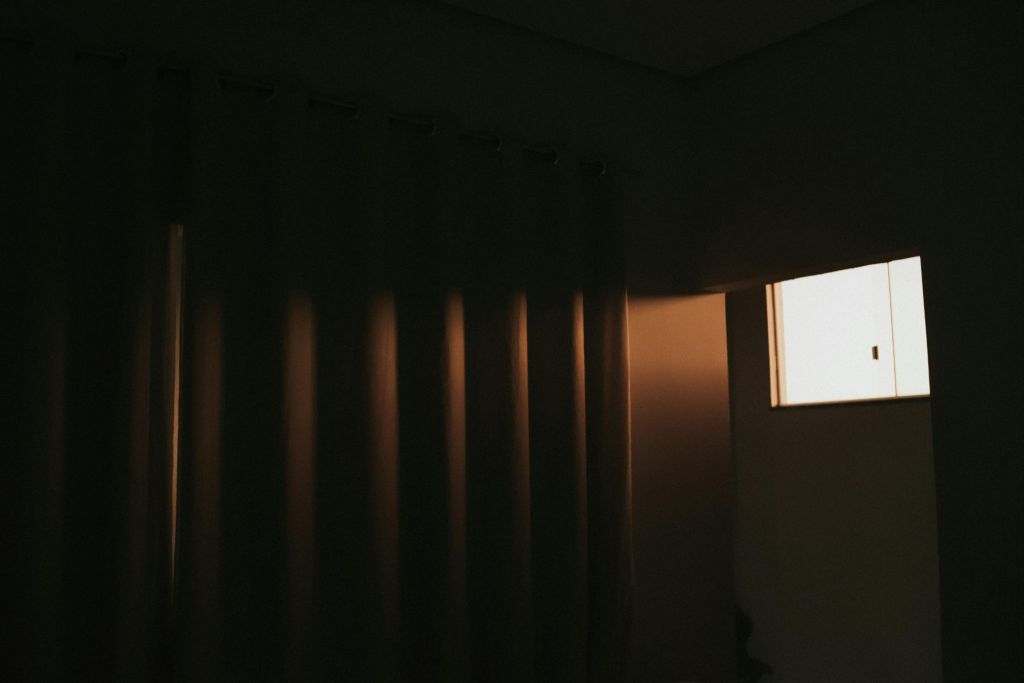
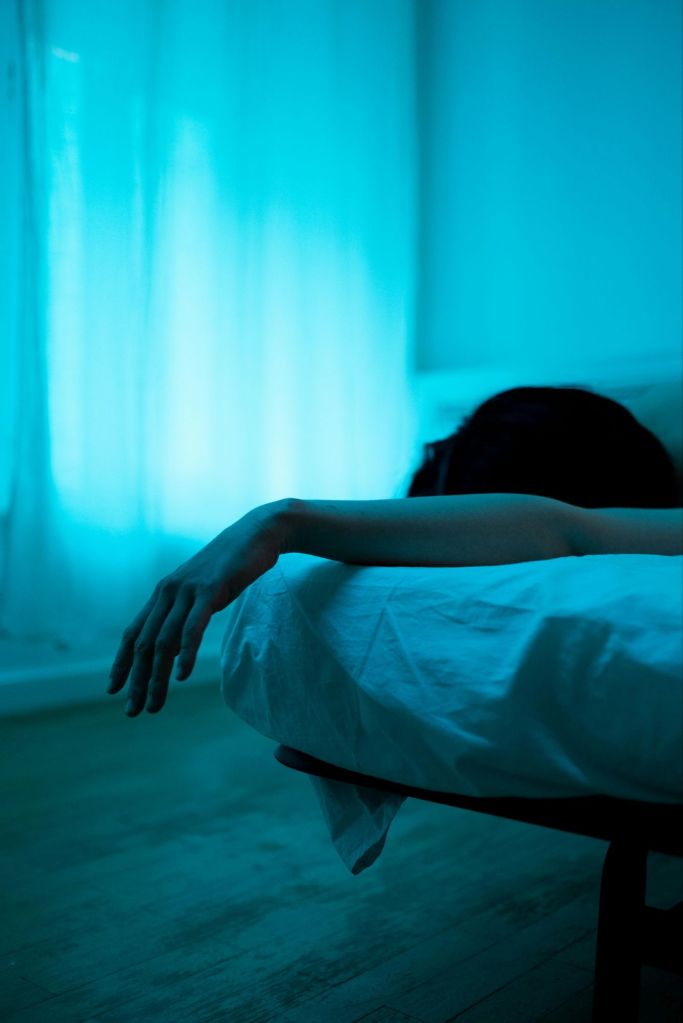
One vital aspect of aligning with circadian rhythms is ensuring sleep occurs in total darkness. The absence of light, especially blue light from electronic devices, encourages the production of melatonin, a hormone critical for sleep regulation. Research suggests that sleeping in darkness may also reduce the risk of certain cancers, particularly breast cancer, as prolonged darkness promotes deeper sleep and better hormonal regulation [3]. This dark point in our routine quite simply allows not only for better deeper sleep but the repair mechanisms to take place within the body. Think of it as the cleaning team sweeping through. As discussed in the last post cellular senescence is one aspect of aging and disease, now it’s at night and in the dark the clean up team deals with these cells.
Photo by cottonbro studio: Pexels
Unfortunately we have a number of modern life aspects that interfere with this process. Blue light for example emitted from screens may disrupt the natural circadian rhythm by tricking the brain into thinking it is still daytime. To counteract this, it’s vital to reduce screen time before bed or use blue light blocking features. Similarly, ample daylight exposure during the day reinforces our body’s need to rest at night, regulating our sleep-wake cycle efficiently [4].
Photo by cottonbro studio: Pexels
Adjusting our home environment can help maintain healthy circadian biology. This includes dimming lights in the evenings, investing in blackout curtains, and creating a bedtime routine that reduces screen exposure. Daytime exposure to natural light aids in setting a robust circadian rhythm [5].
Essentially we want to start our day in bright light ideally daylight to allow the body to know its day time and end it in total darkness to create the optimal environment for cellular clean up.
In other words optimizing circadian health involves ensuring regular exposure to natural light during the day, minimizing blue light exposure after dusk, and sleeping in total darkness. Embracing these practices helps harmonize our biological clock with nature, enhancing metabolism and overall health.
If you would like to have personal training, yoga or Pilates in a private gym in Alnwick please get in touch.
References: 1. Institute of Circadian Research, 2021. 2. Night Workers Health Study, Medical Journal, 2020. 3. Sleep and Cancer Study, Health Science Review, 2019. 4. Blue Light Effects Analysis, Journal of Sleep Research, 2018. 5. Home Environment and Sleep, Environmental Health Journal, 2021.
Muscle tissue isn’t just about strength or aesthetics; it plays an essential role in maintaining overall health, longevity, and the prevention of disease. Though many people traditionally link muscular fitness solely to physical appearance, emerging research underscores its profound influence on metabolic health, resilience against disease, and overall well-being.
First and foremost, muscle tissue is a metabolic powerhouse. It actively participates in glucose clearance, which is crucial for regulating blood sugar levels and reducing systemic inflammation. In fact, the more muscle mass you have, the better your body’s ability to metabolize glucose, potentially lowering the risk of developing Type 2 diabetes (1). Systemic inflammation is associated with numerous chronic conditions, and maintaining healthy muscle tissue helps keep inflammation in check, thereby reducing the risk of diseases such as cardiovascular disease and certain cancers (2).
Photo by RDNE Stock project: Pexels
To maintain this essential tissue, engaging in regular resistance training is vital. Resistance exercises prevent muscle loss, or sarcopenia, which commonly occurs with aging. Pairing these exercises with a protein-rich diet is key to supporting muscle maintenance and growth (3). Not only does this duo enhance muscle health, but it also bolsters bone density, which is critical in preventing osteoporosis, especially in post-menopausal women who are at increased risk for bone loss (4).
Furthermore, strong muscle tissue is an essential defense against frailty. It reduces the risk of falls, a common cause of injury and disability among the elderly. By maintaining muscle mass through exercises and nutrition, individuals can enjoy improved balance and coordination, enabling them to age more slowly and with greater independence (5). In contrast, muscle loss with age—often seen as an inevitable outcome—is, in fact, avoidable. Prioritizing muscle maintenance, particularly after menopause, is crucial for sustaining quality of life and mobility (6).
Photo by RDNE Stock project: Pexels
Low muscle tone, unfortunately, brings a host of risks. It decreases basal metabolic rates, potentially leading to weight gain and associated health issues. Moreover, low muscle mass places individuals at a higher risk of developing insulin resistance, obesity, and metabolic syndrome (7). Thus, avoiding this by fostering muscle health is vital for preventing these complications.
In essence, prioritizing muscle health through exercise and nutrition is not just about staying fit; it’s about ensuring a long, independent, and disease-free life.
If you would like to have personal training, yoga or Pilates in a private gym in Alnwick please get in touch.
**References**
1. Williams, R. et al. (2015). “The Metabolic Role of Muscle.” *Journal of Glucose Management*.
2. Smith, J. (2017). “Inflammation and Chronic Diseases.” *Global Health Review*.
3. Thomas, L. et al. (2018). “Protein and Muscle Maintenance.” *Nutrition Today*.
4. Jones, M. (2020). “Bone Density Post-Menopause.” *Women’s Health Reports*.
5. Wilson, A. (2019). “Falls and Frailty.” *Aging and Mobility Studies*.
6. Clark, S. et al. (2021). “Preventing Age-related Muscle Loss.” *Geriatric Sciences*.
7. Brown, T. (2022). “Low Muscle Tone and Metabolic Health.” *Endocrine Insights*.
If you don’t know who Greg is, he created the CrossFit methodology a couple of decades ago.
Not everyone is a fan of CrossFit but it can’t be denied that he took the fitness and turned it on its head. Olympic weightlifting had the biggest resurgence in decades due to CrossFit, hell the barbell became normal in gyms again mainly due to CrossFit. I would also argue that it was the biggest factor in women beginning to see that strength training was for them as well not just men. Now Instagram is full of women of every age getting as strong as they can. This especially in menopause is absolutely and I can’t emphasise this enough critical for health.
Not to forget that he factored in a no nonsense approach to lifestyle and nutrition focused on meat, veg no sugar low carbs at a time everything was still low fat etc.
He was ousted from CrossFit in 2020 for various reasons and hadn’t done a great deal publicly since then.
So I’ll definitely be interested to see where he’s going with this new venture
I have as a pale person been a life long sun avoider. I thought that doing so was the right thing. That it was the best path for health. I may well have been wrong!
Most people are aware that during COVID those who in the early days prior to vaccines had a higher level of vitamin d had a higher chance of surviving. This was regardless of age. So much so that vitamin d pills were recommended wide scale. Except pills turned out to do next to nothing. It seems more likely that the higher vitamin d levels were a proxy for sun exposure.
Photo by Sachin C Nair
Maybe we are wrong about being able to get vitamin d (which is actually a hormone) of a type that is bioavailable enough to prevent anything other than severe deficiency from supplements or food. Oral vitamin d certainly doesn’t seem to work to modulate the immune system the way our own vitamin d made from sun exposure does.
What else are we wrong about when it comes to sun exposure.
According to two studies one which originally set out to prove sun exposure in Swedish women increased their risk of death due melanoma and did pretty much the opposite and the other the UK biobank study.
Both show strong and it really seems to be very strong evidence that sun avoidance is linked to a higher risk of all cause mortality. In other words sun avoiders were just more likely to die.
I’m going to add a few excerpts from journal pieces and articles along with the relevant links and then discuss.
“UVR is a skin carcinogen, yet no studies link sun exposure to increased all-cause mortality. Epidemiological studies from the United Kingdom and Sweden link sun exposure with reduced all-cause, cardiovascular, and cancer mortality. Vitamin D synthesis is dependent on UVB exposure. Individuals with higher serum levels of vitamin D are healthier in many ways, yet multiple trials of oral vitamin D supplementation show little benefit. Growing evidence shows that sunlight has health benefits through vitamin D–independent pathways, such as photomobilization of nitric oxide from cutaneous stores with reduction in cardiovascular morbidity. Sunlight has important systemic health benefit as well as risks.”
“Living in locations with higher UV levels, for example Cornwall, was associated with a lower risk of death from cardiovascular disease and cancer – 19 per cent and 12 per cent, respectively – than living in areas with lower UV levels, such as Edinburgh or Glasgow.
Sunbed use was linked to a 23 per cent lower risk of death from cardiovascular disease and a 14 per cent lower risk of death from cancer, compared to non-users. It is possible that people who use sunbeds may also seek out greater sun exposure and so this result may reflect broader sun seeking behaviour, the team says.
Those with a higher estimated UV exposure had a slightly increased risk of being diagnosed with melanoma – a type of skin cancer – but their risk of dying from the condition was not raised.”
“Abstract Background Sunlight exposure and fair skin are major determinants of human vitamin D production, but they are also risk factors for cutaneous malignant melanoma (MM). There is epidemiological evidence that all-cause mortality is related to low vitamin D levels.
Methods We assessed the avoidance of sun exposure as a risk factor for all-cause mortality for 29 518 Swedish women in a prospective 20-year follow-up of the Melanoma in Southern Sweden (MISS) cohort. Women were recruited from 1990 to 1992 and were aged 25 to 64 years at the start of the study. We obtained detailed information at baseline on their sun exposure habits and potential confounders. Multivariable flexible parametric survival analysis was applied to the data.
Results There were 2545 deaths amongst the 29 518 women who responded to the initial questionnaire. We found that all-cause mortality was inversely related to sun exposure habits. The mortality rate amongst avoiders of sun exposure was approximately twofold higher compared with the highest sun exposure group, resulting in excess mortality with a population attributable risk of 3%.
Conclusion The results of this study provide observational evidence that avoiding sun exposure is a risk factor for all-cause mortality. Following sun exposure advice that is very restrictive in countries with low solar intensity might in fact be harmful to women’s health.”
In other words those of us living in north of the equator climates where the UV index drops below the point where vitamin d synthesis is possible for months at a time may be harming our health by avoiding summer sun.
Advice that is sensible in higher UV index climates could actually be dangerous in darker climes. Could the health advice we have been given for decades be very, very wrong.
Note I’m not suggesting extreme sun exposure and certainly baking to the point of burning. But as with everything there is a middle ground and maybe the sun advice in the UK needs to find it
If you would like a female personal trainer, yoga teacher or Pilates instructor in Alnwick Northumberland who is well versed in different types of training including working with health issues please get in touch.
When someone is feeling less than wonderful it’s common to try something and after a while it’s amazing. They start to feel better. Feel better to the point where yoga, Pilates, weight training whatever it happens to be becomes a passion. They want to tell everyone how fricking amazing Pilates is, how they felt awful beforehand, but now they feel pretty good.
Photo by Prasanth Inturi
But then it stops working, but that’s ok they try something new. Maybe going plant based or paleo and that becomes the new magic pathway. Then that stops working and so on.
So what gives? Possibly a few things. Firstly there is a very reductionist and polarising attitude towards life at the moment and it’s prevalent in the health and fitness space particularly. People are in particular camps, they are yogis, or weight lifters or runners. You can see fitness folk arguing in the comment sections of social media about which is better and why. Each of the adherents arguing their case as to why they are right, why weight lifting is better for far loss, or runners have the best VO2 max and that’s more important. How yoga reduces cortisol which does xyz.
Photo by Anna Shvets
Reality is we need a bit of all of them. We need some cardio for heart and lungs, strength training to prevent sarcopenia and frailty in later years and yes mobility too. Because what’s the point of the first two if you can’t get off the floor due to zero mobility?
So that’s a possibility, you had a piece of the movement puzzle but not the whole thing which meant that for example if someone was dealing with POTs they made progress through running but needed strength work also to improve blood flow.
Perhaps someone started a program but haven’t progressed. In other words still doing the same exercises again and again without any progressive overload. Without making them harder. When that happens the body responds to the stimulus but then gets to that stimulus, unless it’s made more challenging in order to again introduce stimulus detraining can even occur.
Or maybe once someone has an exercise routine sorted their body starts to change and needs better nutrition, more sleep. Other pieces of the puzzle.
Photo by Monica Silvestre
If this has happened to you think of the following
What is the quality of your sleep like?
How much daylight do you get each day?
How many steps do you take a day?
How much blue light are you exposed to?
Do you have time away from blue light before sleep?
How much of your diet is real food? Doesn’t matter what your preference is but looks at how much is something that would have existed before processed food.
Do you have time to relax? Are you genuinely de-stressing?
Are you too comfortable all the time? Do you ever deliberately get out of breath, too hot, too cold or hungry?
Weirdly the body responds to adversity the rule of hormesis. In other words the biological phenomenon where a low exposure to a potentially harmful agent, like a toxin or stressor, can have beneficial effects on an organism. At a low dose of course.
Photo by Pao Dayag
Obviously I’m not saying try and do all these things at once, a total life overhaul is unsustainable BUT if you found an exercise routine that is working or a dietary pattern that helps you but you feel you are no longer getting results. Don’t stop what was working and do something entirely different, maybe tweak it. Make the exercise tougher or add in cardio/strength and then look at sleep or steps. Then after a few months add something else.
The reality is for optimal health we eventually need to look at all of it. Rather than expecting a magic bullet we need to accept that the human animal needs to eat well, move regularly, get daylight and sleep effectively. Any single piece of the puzzle missing can leave you feeling less than awesome.
If you would like to have a personal trainer with a holistic approach working out of a private home gym in Alnwick Northumberland get in touch!
Well, I did it, or at least I hit 85% success. But by god by the end was it a pain in the arse. So here are my takeaways.
Photo by James Wheeler
If you commit to something like this keep in mind your life might change throughout the year. My training upped significantly and I went from teaching classes to becoming solely a personal trainer. Very quickly I was fully booked. This meant my activity level went up quite a good deal and keeping up with the steps some days was really tricky.
Build flexibility into any challenge. I really wish I had factored rest days in and had to add them in towards the end due to point 1.
Walking will improve your cardio fitness as long as you change speed, distance or add weight (back pack) my cardio has improved significantly and I can walk very steep hills with not much of a heart rate raise.
Walking is a great way to improve blood pressure. My BP had been a little erratic since I went into surgical menopause a few years ago and I was worried that it would start to become an issue. After the year of adding in extra steps it is now comfortably around 116/78.
I lost weight to begin with but added calories back in as I was getting super tired with all the extra training and teaching. I finished the year around the same weight although due to weight training with more muscle mass. In other words if you want to use walking as a weight loss method don’t eat anymore than you already are.
The dog will mostly love it if you have one, but even they some days will be like “for the love of god woman sit down”
Photo by Gabriela Palai
The next challenge I am starting is to see if there is any difference between walking a lot and more high intensity exercise. I will be using my Polar watch to do this. Currently it is set at the highest level of activity goal and my aim from Jan 24 to the end of Dec 24 is to hit an average of 100 percent 5 days a week. You will note the added flexibility here! Two days where I can be more restful, and the other days can be averaged which allows for a quieter day after a much busier day. I regret not allowing for averages during the walking challenge as some days I would hit 25000 steps but STILL have to do the 15000 the next day, Which beat me up a few times!
All in all though it was a reasonable challenge and if you are looking for a simple way to get fitter, reduce blood pressure and maybe lose some weight I would definitely recommend giving it a go for a year, but make it an average of 15000 steps a day over 5 or 6 days a week to allow a little wiggle room!
If you would like to have personal training in a private gym in Alnwick Northumberland please get in touch.
In a previous post looking at the habits and lifestyle of people living in blue zones one of the aspects looked at was the importance of community, not only our own family but need for strong friendships. This isn’t a surprise, I think we all know the importance of having people in our lives who have our backs. It may however suprise you to learn that strong social networks appear to reduce our risk of heart disease, some cancers, make it more likely we will survive a health crisis and quite simply increase our chance of living a long healthy life.
But in the modern world it isn’t always that simple, working patterns, less interaction between neighbours, moving far from home all play into people becoming more isolated. Then throw in social anxiety, a divorce or caring responsibilities and it can seem impossible to expand our social circles never mind be part of a community.
This all makes the advise of having strong community links for the benefit of our health seem like empty words so what do we do?
Honestly it’s not an easy situation but I have had to rebuild my circle from scratch more than once, in my early 20s after a big relationship break up, in my 30s when I moved to a different town and then in recent years when after a long period of caring for my daughter I found I had lost many friends during her illness. Here’s a list of ideas based on what I found worked for me:-
Photo by Alena Darmel
Be open to opportunities for new friendships, if you really hit it off with someone ask them out to coffee, the worst that will happen is they politely say no.
Join stuff, all the stuff! Anything that takes your interest, book clubs, Spanish classes, true crime groups, gyms. Really anything that you will enjoy that also gives you a chance to meet people. The enjoying the actual activity is an important aspect as it might be that there is no one there that you gel with but it gives you an activity to look forward during the week regardless. That in itself is confidence building
Be open to trying entirely new experiences, maybe you actually are a budding surfer or ariel yogi.
Apps these days are amazing, there are meet new friends apps such as peanut and one of my favourites MeetUp which has events and get togethers close by listed. Although I have yet to find something in my town via MeetUp I have joined a couple of really fun groups in the nearest city.
Realise that you are not going to be everyone’s cup of tea and that is actually ok, there may be places where you just don’t fit. If that is the case just move on, it’s impossible to make yourself fit somewhere you don’t and wastes time you could be spending on other more fruitful situations. A rule of thumb as to whether you don’t fit somewhere is if you stop going does anyone from that social situation or group stay in touch or reach out? If the answer is no, especially if you’ve been part of that group for sometime chances are they aren’t your people or your friends. If people from that group actively shun you once you are no longer part of their network they absolutely were never friends in the first place. Harsh, but better to figure it out sooner rather than later.
To a lesser degree the same applies to individuals, if you only ever reach out and it is never reciprocated as far as suggesting plans etc question if that person is actually there for you. There are times when people are just overwhelmed with work or family responsibilities which is understandable but there are also people who will just take advantage. Before my daughter developed cancer I had some what I thought were really close friends, I was always in the supportive role of their lives and dramas. The second my daughter became ill and I was the one needing support two of my oldest friends vanished and I didn’t hear from them again. I am now much more aware of the signs of people who will use me to their benefit. Building your community means finding people who will support you, not just people who want your support.
It is even more likely there will be places you don’t fit if like me you are neurodiverse. Don’t worry though your weird soul friends are out there and you will thrive all the more when you find them!
Re-connect with old friends, if you stopped seeing each other due to circumstance rather than a break in the friendship there is a good chance that whatever was there before still is. It can be tricky to reach out out of the blue but most of the time we are actually thrilled to hear from someone we share history with.
Once you start to build your little community of friends be patient, each new friendship is like a seedling. Some will grow others may not. Focus on the friendships that are growing and nurture them with your time.
Make plans. This is an obvious one, but it can be very easy to put off seeing people over and over again. Especially if busy with work and family. I don’t think I’ve ever made time for a friend and regretted it, even when I’m exhausted.
Most of all enjoy the process, it can be daunting as an adult to make new friends, but it can also be a huge amount of fun if you let it!
Photo by Polina Tankilevitch
Good luck and here’s to all the beautiful people in our lives who bring joy to our days, wine to our glasses and laughter to our bellies and nourishment to our souls! I am very lucky to have a batch of people in my corner now who I know have my back and who I hope realise I have theirs.
If you would like to work with a personal trainer in a quiet setting in Alnwick Northumberland get in touch!
What are the benefits and risks associated with fasting? Fasting over the past few years has become pretty mainstream with various iterations featured in books that grace the shelves of high street shops. Popular versions include 16/8 where you don’t eat for 16 hours and limit your intake to an 8 hour window, 18/6 same but longer restriction period, 5/2 this is 5 days of normal eating and 2 days of 5 to 800 calories. The eat fast eat methods all come under the umbrella of intermittent fasting. Then there are the longer or prolonged fasts and fasting mimicking plans such as Prolon which is a scientifically designed very low calorie plan.
All sounds pretty amazing doesn’t it? Especially if it’s just a case of skipping breakfast! Except the science is not yet behind the idea of intermittent fasting, in fact a year long study disputes the majority of the claimed metabolic benefits[2][3]
Photo by Elle Hughes from Pexels
That is not to say there are no benefits and that if you personally find it helps with weight loss, calorie maintenance or feel it suits your lifestyle that you should give it up. The science is also not entirely conclusively against intermittent fasting, for example a study of breast cancer survivors found that those who had more than 13 hours between the last time they ate in the evening and the first time they ate in the morning was associated with a 36% reduction in the recurrence of breast cancer.[4] It would seem that our bodies being constantly bathed in calories is not long term good for us. It needs periods of rest and recovery.
However, it looks unlikely that some of the really interesting aspects such as autophagy take place over such short periods of restriction. Autophagy translates as self eating, in this process when the body is not taking in enough calories in particular it seems proteins it will scavenge it’s own system in order to find the necessary proteins. In particular damaged cellular matter is broken down first, this makes sense, if we face financial hardship we will mend or repurpose damaged items while leaving new perfect goods alone.
It is the process of autophagy where the real magic of fasting lies, through this process we can reduce inflammation, reduce our risk of tumors, delay the aging process and increase the production of tumor killing cells.[5]
When fasting is combined with chemotherapy it seems according to some studies reduce the risk of side effects by sending the healthy cells into a protective state while leaving the fast growing mutation cells open to attack.[6]
Photo by Engin Akyurt from Pexels
It’s all pretty exciting stuff really and a great deal of research is currently going on looking at various medical applications of both fasting and fasting mimicking diet. The fasting mimicking diet is the brain child of Professor Valter Longo and allows for a small almost protein free intake of calories over the fasting period.[7]
The caveat in all this is that it takes at least 2 to 4 days for this to take place and not the few hours of restriction we were all hoping for.[8] The ideal period of fasting is around 5 days.
It should be noted that autophagy can also be triggered by long periods of calorie restriction which may be a more suitable path for many, in order to trigger autophagy a restriction of 40% of normal intake is necessary, so for example if your intake is 2000 a day reducing it to 1600 for a few weeks will result in a degree of autophagy[9]. I will likely write a separate post on this another day.
Such longer term periods appeal to me less purely because at the moment training is very important to me which means I eat at or slightly above maintenance calories which supports my energy and post training recovery. Fast and hard is my preferred method (pun intended) to this and many aspects of life.
I have used Longo’s fasting mimicking plan a few times now, 4 maybe 5 times I can’t quite remember. The last time was nearly 9 months ago! I had planned on before Christmas but family responsibilities, social engagements etc meant I kept having to bump it forward. I set a specific date for Feb, which is next week, put it in the calendar and turned everything that tried to crop up down other than a couple of non-negotiable appointments for my daughter!
I prefer during fasting weeks to turn life down, I did during my first one attempt to train and live as normal and by day 4 I felt awful. I mean really really awful. After that experience the next attempts were undertaken a little more sensibly. I take the week off work and focus on nurturing myself and allowing for rest while I push my cells into a repair cycle. I think it’s reasonable to allow myself time to do this and as it’s 2 to 3 weeks in a year maximum stepping back a little is no bad thing. It’s also one of the many benefits of being self employed! Plus if it gives me chance of
Of course it is necessary to mention that fasting and fasting mimicking plans are not without risk, during the 5 days it is possible to experience fatigue, dizziness, feeling cold and of course hunger. As I mentioned earlier when I pushed too hard I did feel genuinely dreadful and learned my lesson. The biggest risk however is something called re-feeding syndrome which can be deadly
“Refeeding syndrome can be defined as the potentially fatal shifts in fluids and electrolytes that may occur in malnourished patients receiving artificial refeeding (whether enterally or parenterally). These shifts result from hormonal and metabolic changes and may cause serious clinical complications.”[10] It is rare but necessitates that the two days after fasting involve a gentle re-introduction of food rather than rushing to McDonalds for a big mac. It is less likely with the fasting mimicking plan due to the very small caloric intake keeping the digestive mechanisms running. However they still recommend a slow return to nutrition.
Photo by Krishnajith from Pexels
There are a number of scientists working in the realm of aging and longevity all with different ideas and methods, however one area in which they all seem to agree is that short periods of fasting (5 days for full benefits) are one of the most reliable methods of reducing disease risk and promoting a longer healthy life. Nothing in life is guaranteed, but if a short period of discomfort can shift the odds in my favour I’m all for it! See you on the other side!
If you would like to work with a personal trainer in a quiet setting in Alnwick Northumberland get in touch!
Some people excel at sport and athleticism from an early age, it is woven into their DNA. They take to any physical activity they try with ease and grace. The kind of people who won every race at sports day and captained every team. Then there’s those like me who were quite literally picked last for every team in PE, I swear to god if my classmates could have chosen the school bench over me they would. To be fair it would have probably done a better job at the time.
I was skinny, knock kneed, had an undiagnosed hypermobility spectrum disorder and the serious lack of muscle tone that goes with it. As is often the case when we are awful at something I avoided it like the plague, I don’t know if things have changed but in my day PE teachers had no interest in those without natural athleticism never mind the reasons why.
To be entirely honest my experiences at school with regard to fitness were not just negative they were actually traumatic. I was openly bullied for my lack of physicality and knock knees and viciously name called. I’m not sure though out of the laughter or the pity clap I would sometimes get coming in dead last for something…again which one was worse. I still won’t even so much as take part in a 5k race in public as a result, the idea of any type of competition fills me with horror to the point where I actually feel physically sick.
Why am I telling you this? It’s not for pity or sympathy, I am honestly quite fine. The past is the past. I want you to read this if you like me had no natural ability and let you know that it does not and never did exclude you from looking after yourself physically. No matter how rubbish you were at PE you can still benefit from various forms of movement. Heck you might even enjoy it. I certainly do, in fact I can’t imagine a life where I don’t get up and exercise pretty much every day. I am so grateful that I discovered first yoga and Pilates in my 20s which I found I actually quite naturally built for and being the antithesis of competitive sports allowed me to tune in with my body and learn to love moving it. It was this love of movement I took into CrossFit and strength training, the difference being in that situation I was pretty rubbish to begin with. However many years later of keeping at it I am actually
pretty strong and certainly fit.
That for me is the important aspect, being fit and healthy, being strong enough to squat down to the ground with a heavy back pack and stand back up, being able to walk briskly up hills without losing my breath, being limber enough to fold into my legs with no discomfort, being able to lift heavy suitcases over head for other passengers on trains. These are the things that matter to me. That and the sheer love of movement, oh heavens it is simply glorious to just move, there is a delight in using your body that is with language almost inexpressible. As though different movements all have their own flavor and to engage in more than one is like a banquet for the body. Plus as a result I honestly feel better at nearly 50 than I did my entire adult life.
Don’t let a perceived idea of not being athletic dictate to you that exercise isn’t for you, it is for everyone from those like my husband who are naturally talented in a particular field (running) and thrive in competition to those like myself who myself who had to work at it. In fact I think those of us who are not naturals potentially benefit even more as there are often underlying conditions that make us that way which are improved by movement.
Exercise is for all of us and is certainly one of the keys to health and longevity.
If you would like to work with a personal trainer in a quiet setting in Alnwick Northumberland get in touch!














 Sam Kelly Fitness