Circadian biology, what it is and why it matters!

The more we move away from a natural environment the more it seems we suffer. The rates of chronic health conditions seem to do nothing but increase year upon year. The question is why? As with all things it will be multiple factors but Circadian biology might hold one of the clues.

Circadian biology is an exciting field that explores the natural, internal processes that regulate the sleep-wake cycle and repeat roughly every 24 hours. These biological clocks fundamentally drive how our bodies function by regulating cycles of alertness and relaxation. Understanding and aligning with these rhythms is fundamental to metabolic health and overall wellbeing.

The concept of circadian rhythms matters because these natural processes govern numerous body functions, including hormone release, eating habits, digestion, and body temperature. When these rhythms are in sync with our environment, they promote healing, metabolism, and well-being.

Research has substantiated that when circadian rhythms are disrupted, they can lead to significant health issues. Misalignment can increase the risk of chronic conditions such as obesity, diabetes, cardiovascular disease, and mental health disorders [1]. Shift workers and night shift workers are particularly susceptible. Studies show they suffer higher rates of metabolic disorders than their counterparts [2].
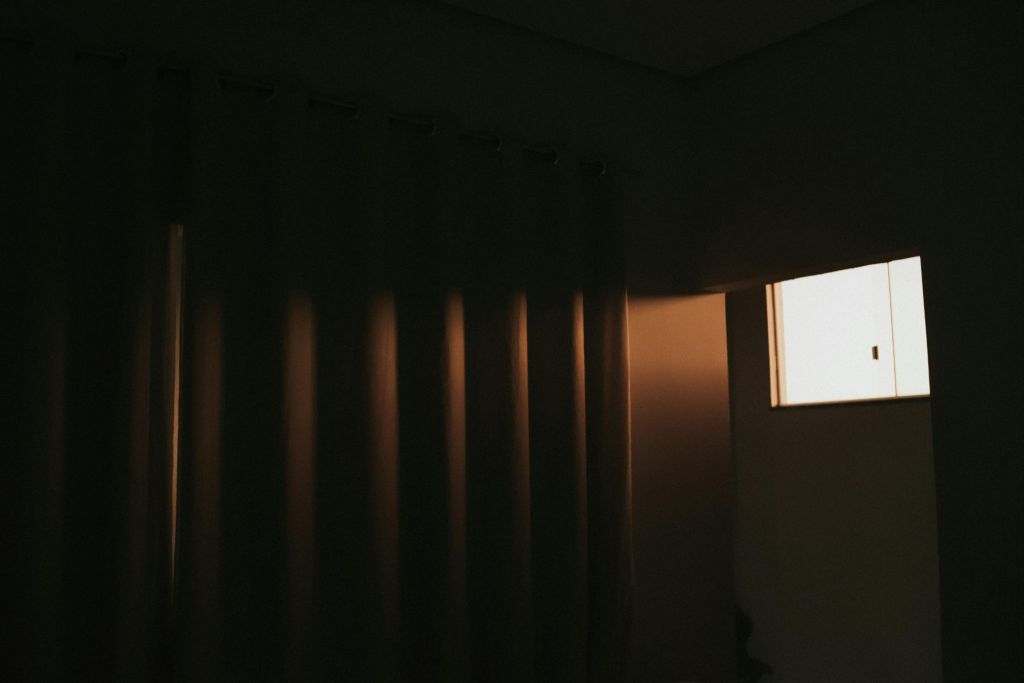
Photo by Jessika Arraes: Pexels

One vital aspect of aligning with circadian rhythms is ensuring sleep occurs in total darkness. The absence of light, especially blue light from electronic devices, encourages the production of melatonin, a hormone critical for sleep regulation. Research suggests that sleeping in darkness may also reduce the risk of certain cancers, particularly breast cancer, as prolonged darkness promotes deeper sleep and better hormonal regulation [3]. This dark point in our routine quite simply allows not only for better deeper sleep but the repair mechanisms to take place within the body. Think of it as the cleaning team sweeping through. As discussed in the last post cellular senescence is one aspect of aging and disease, now it’s at night and in the dark the clean up team deals with these cells.
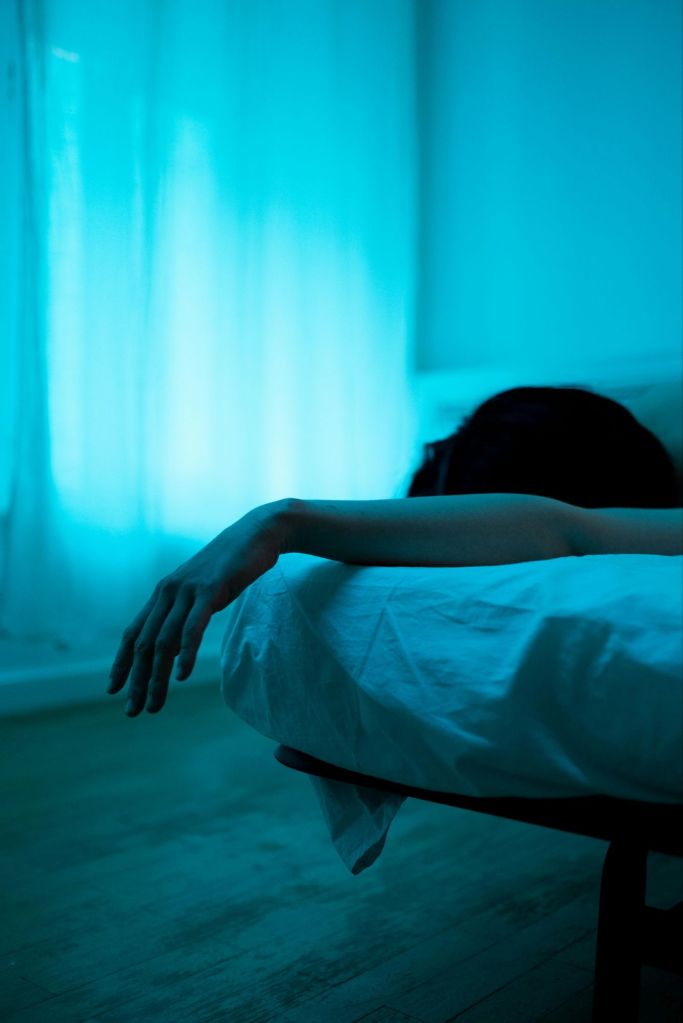
Photo by cottonbro studio: Pexels

Unfortunately we have a number of modern life aspects that interfere with this process. Blue light for example emitted from screens may disrupt the natural circadian rhythm by tricking the brain into thinking it is still daytime. To counteract this, it’s vital to reduce screen time before bed or use blue light blocking features. Similarly, ample daylight exposure during the day reinforces our body’s need to rest at night, regulating our sleep-wake cycle efficiently [4].

Photo by cottonbro studio: Pexels

Adjusting our home environment can help maintain healthy circadian biology. This includes dimming lights in the evenings, investing in blackout curtains, and creating a bedtime routine that reduces screen exposure. Daytime exposure to natural light aids in setting a robust circadian rhythm [5].

Essentially we want to start our day in bright light ideally daylight to allow the body to know its day time and end it in total darkness to create the optimal environment for cellular clean up.

In other words optimizing circadian health involves ensuring regular exposure to natural light during the day, minimizing blue light exposure after dusk, and sleeping in total darkness. Embracing these practices helps harmonize our biological clock with nature, enhancing metabolism and overall health.

If you would like to have personal training, yoga or Pilates in a private gym in Alnwick please get in touch.


References:
1. Institute of Circadian Research, 2021.
2. Night Workers Health Study, Medical Journal, 2020.
3. Sleep and Cancer Study, Health Science Review, 2019.
4. Blue Light Effects Analysis, Journal of Sleep Research, 2018.
5. Home Environment and Sleep, Environmental Health Journal, 2021.


Have we been dangerously wrong about the sun?

I have as a pale person been a life long sun avoider. I thought that doing so was the right thing. That it was the best path for health. I may well have been wrong!

Most people are aware that during COVID those who in the early days prior to vaccines had a higher level of vitamin d had a higher chance of surviving. This was regardless of age. So much so that vitamin d pills were recommended wide scale. Except pills turned out to do next to nothing. It seems more likely that the higher vitamin d levels were a proxy for sun exposure.

Photo by Sachin C Nair

Maybe we are wrong about being able to get vitamin d (which is actually a hormone) of a type that is bioavailable enough to prevent anything other than severe deficiency from supplements or food. Oral vitamin d certainly doesn’t seem to work to modulate the immune system the way our own vitamin d made from sun exposure does.

What else are we wrong about when it comes to sun exposure.

According to two studies one which originally set out to prove sun exposure in Swedish women increased their risk of death due melanoma and did pretty much the opposite and the other the UK biobank study.

Both show strong and it really seems to be very strong evidence that sun avoidance is linked to a higher risk of all cause mortality. In other words sun avoiders were just more likely to die.

I’m going to add a few excerpts from journal pieces and articles along with the relevant links and then discuss.

“UVR is a skin carcinogen, yet no studies link sun exposure to increased all-cause mortality. Epidemiological studies from the United Kingdom and Sweden link sun exposure with reduced all-cause, cardiovascular, and cancer mortality. Vitamin D synthesis is dependent on UVB exposure. Individuals with higher serum levels of vitamin D are healthier in many ways, yet multiple trials of oral vitamin D supplementation show little benefit. Growing evidence shows that sunlight has health benefits through vitamin D–independent pathways, such as photomobilization of nitric oxide from cutaneous stores with reduction in cardiovascular morbidity. Sunlight has important systemic health benefit as well as risks.”

https://www.sciencedirect.com/science/article/pii/S0022202X2400280X

Photo by Brett Sayles

“Living in locations with higher UV levels, for example Cornwall, was associated with a lower risk of death from cardiovascular disease and cancer – 19 per cent and 12 per cent, respectively – than living in areas with lower UV levels, such as Edinburgh or Glasgow.

Sunbed use was linked to a 23 per cent lower risk of death from cardiovascular disease and a 14 per cent lower risk of death from cancer, compared to non-users. It is possible that people who use sunbeds may also seek out greater sun exposure and so this result may reflect broader sun seeking behaviour, the team says.

Those with a higher estimated UV exposure had a slightly increased risk of being diagnosed with melanoma – a type of skin cancer – but their risk of dying from the condition was not raised.”

https://www.ed.ac.uk/news/2024/uv-rays-may-boost-health-in-low-sunlight-countries

Photo by John Tekeridis

“Abstract
Background
Sunlight exposure and fair skin are major determinants of human vitamin D production, but they are also risk factors for cutaneous malignant melanoma (MM). There is epidemiological evidence that all-cause mortality is related to low vitamin D levels.

Methods
We assessed the avoidance of sun exposure as a risk factor for all-cause mortality for 29 518 Swedish women in a prospective 20-year follow-up of the Melanoma in Southern Sweden (MISS) cohort. Women were recruited from 1990 to 1992 and were aged 25 to 64 years at the start of the study. We obtained detailed information at baseline on their sun exposure habits and potential confounders. Multivariable flexible parametric survival analysis was applied to the data.

Results
There were 2545 deaths amongst the 29 518 women who responded to the initial questionnaire. We found that all-cause mortality was inversely related to sun exposure habits. The mortality rate amongst avoiders of sun exposure was approximately twofold higher compared with the highest sun exposure group, resulting in excess mortality with a population attributable risk of 3%.

Conclusion
The results of this study provide observational evidence that avoiding sun exposure is a risk factor for all-cause mortality. Following sun exposure advice that is very restrictive in countries with low solar intensity might in fact be harmful to women’s health.”

https://onlinelibrary.wiley.com/doi/10.1111/joim.12251

In other words those of us living in north of the equator climates where the UV index drops below the point where vitamin d synthesis is possible for months at a time may be harming our health by avoiding summer sun.

Advice that is sensible in higher UV index climates could actually be dangerous in darker climes. Could the health advice we have been given for decades be very, very wrong.

Note I’m not suggesting extreme sun exposure and certainly baking to the point of burning. But as with everything there is a middle ground and maybe the sun advice in the UK needs to find it

If you would like a female personal trainer, yoga teacher or Pilates instructor in Alnwick Northumberland who is well versed in different types of training including working with health issues please get in touch.

Life update

Well it’s been a while since I updated here and wow what a 6 months it’s been!

There have been plenty of awesome things for example my eldest married his beautiful fiancée

We have had days out a plenty. One of which was comic con

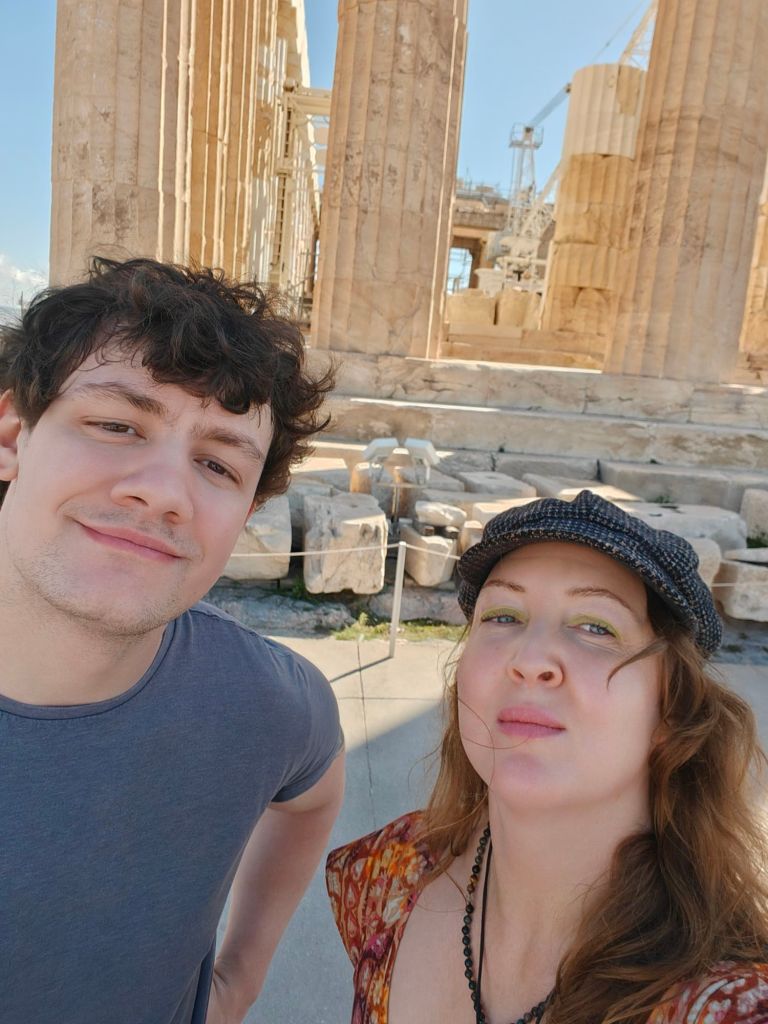
So much fun! A trip to Athens with my eldest which was lovely to spend some time with him before he officially became a married man!

There have also of course been downs. I had a pancreatic cancer scare. Thankfully all ok! My daughter had a precancerous breast tumor removed. Her tumours are always terrifying as she has  PTEN harmatoma syndrome which means she grows tumours both benign and cancerous. She lost her thyroid to cancer at 10 years old. Thankfully after surgery she is ok although her chronic fatigue was quite bad afterwards.

All of the various ups and downs led me to overdo and after 6 months of 14 hour days I was exhausted, had a never ending sinus infection and then a chronic fatigue crash.

I am picking up now and later in the week will write about my experiences with having a crash after symptoms were under control for years and what it taught me.

That’s about all for now!

If you would like a female personal trainer, yoga teacher or Pilates instructor in Alnwick Northumberland who is well versed in different types of training including working with health issues please get in touch.