

The more we move away from a natural environment the more it seems we suffer. The rates of chronic health conditions seem to do nothing but increase year upon year. The question is why? As with all things it will be multiple factors but Circadian biology might hold one of the clues.
Circadian biology is an exciting field that explores the natural, internal processes that regulate the sleep-wake cycle and repeat roughly every 24 hours. These biological clocks fundamentally drive how our bodies function by regulating cycles of alertness and relaxation. Understanding and aligning with these rhythms is fundamental to metabolic health and overall wellbeing.
The concept of circadian rhythms matters because these natural processes govern numerous body functions, including hormone release, eating habits, digestion, and body temperature. When these rhythms are in sync with our environment, they promote healing, metabolism, and well-being.
Research has substantiated that when circadian rhythms are disrupted, they can lead to significant health issues. Misalignment can increase the risk of chronic conditions such as obesity, diabetes, cardiovascular disease, and mental health disorders [1]. Shift workers and night shift workers are particularly susceptible. Studies show they suffer higher rates of metabolic disorders than their counterparts [2].
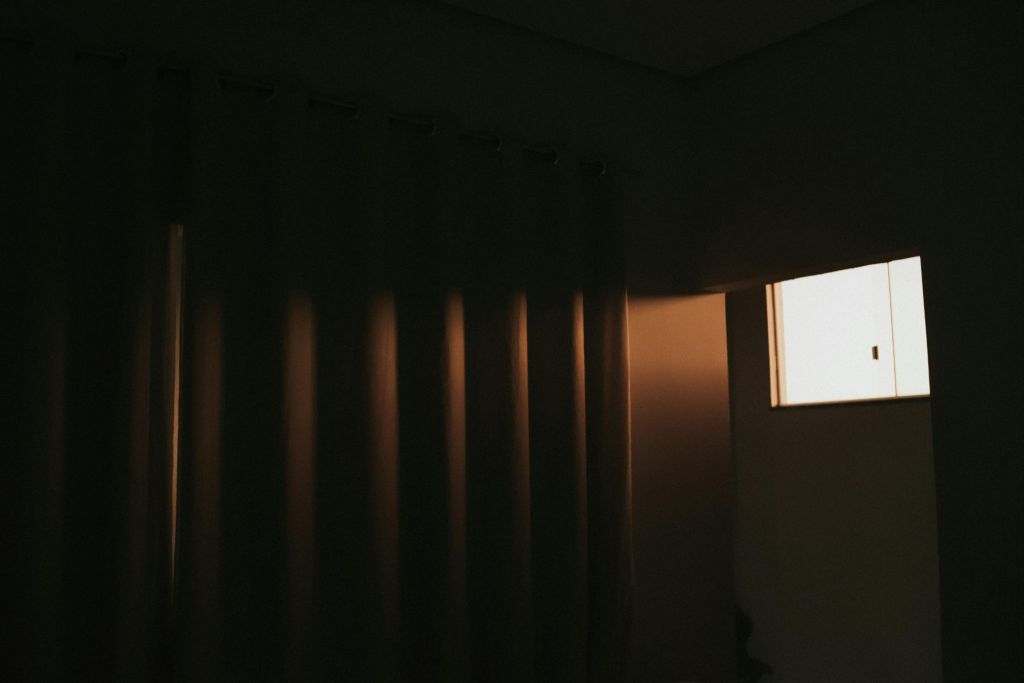
Photo by Jessika Arraes: Pexels
One vital aspect of aligning with circadian rhythms is ensuring sleep occurs in total darkness. The absence of light, especially blue light from electronic devices, encourages the production of melatonin, a hormone critical for sleep regulation. Research suggests that sleeping in darkness may also reduce the risk of certain cancers, particularly breast cancer, as prolonged darkness promotes deeper sleep and better hormonal regulation [3]. This dark point in our routine quite simply allows not only for better deeper sleep but the repair mechanisms to take place within the body. Think of it as the cleaning team sweeping through. As discussed in the last post cellular senescence is one aspect of aging and disease, now it’s at night and in the dark the clean up team deals with these cells.
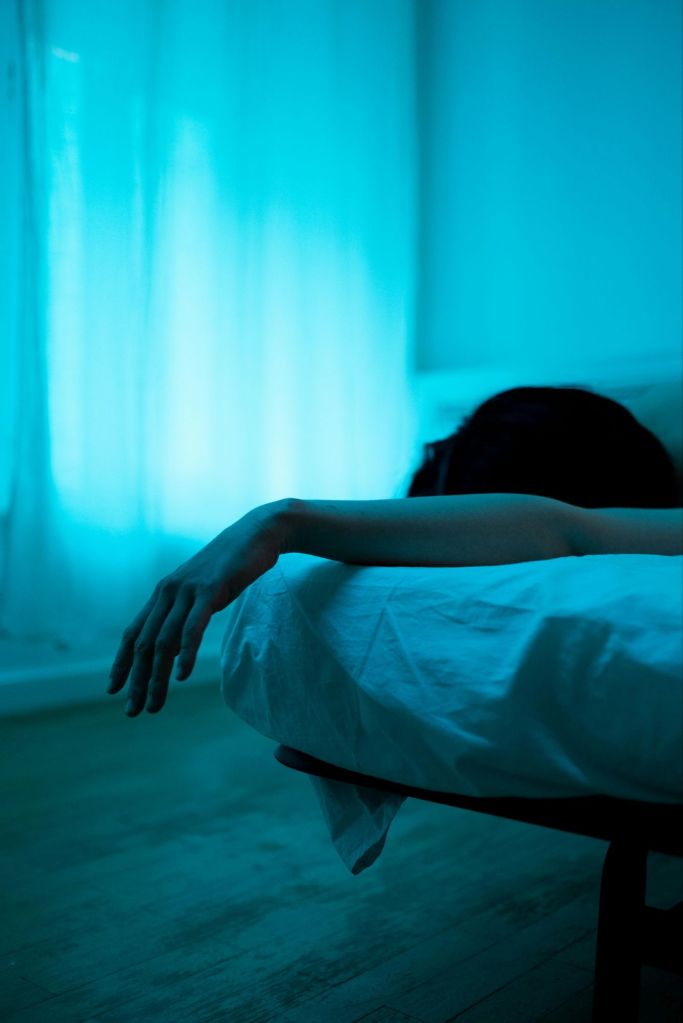
Photo by cottonbro studio: Pexels
Unfortunately we have a number of modern life aspects that interfere with this process. Blue light for example emitted from screens may disrupt the natural circadian rhythm by tricking the brain into thinking it is still daytime. To counteract this, it’s vital to reduce screen time before bed or use blue light blocking features. Similarly, ample daylight exposure during the day reinforces our body’s need to rest at night, regulating our sleep-wake cycle efficiently [4].

Photo by cottonbro studio: Pexels
Adjusting our home environment can help maintain healthy circadian biology. This includes dimming lights in the evenings, investing in blackout curtains, and creating a bedtime routine that reduces screen exposure. Daytime exposure to natural light aids in setting a robust circadian rhythm [5].
Essentially we want to start our day in bright light ideally daylight to allow the body to know its day time and end it in total darkness to create the optimal environment for cellular clean up.
In other words optimizing circadian health involves ensuring regular exposure to natural light during the day, minimizing blue light exposure after dusk, and sleeping in total darkness. Embracing these practices helps harmonize our biological clock with nature, enhancing metabolism and overall health.
If you would like to have personal training, yoga or Pilates in a private gym in Alnwick please get in touch.
References:
1. Institute of Circadian Research, 2021.
2. Night Workers Health Study, Medical Journal, 2020.
3. Sleep and Cancer Study, Health Science Review, 2019.
4. Blue Light Effects Analysis, Journal of Sleep Research, 2018.
5. Home Environment and Sleep, Environmental Health Journal, 2021.
 Sam Kelly Fitness