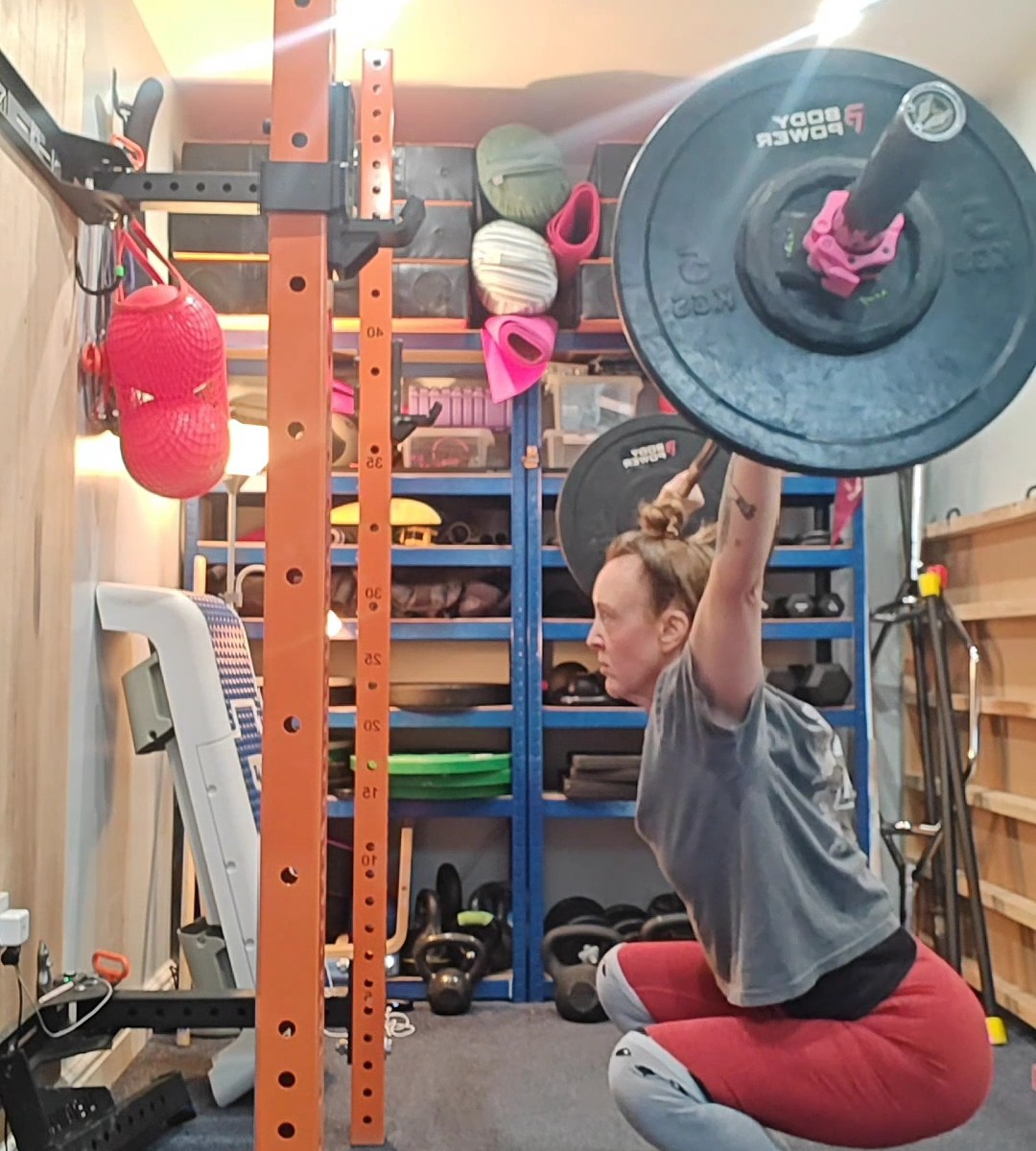
I don’t train to be the strongest person I know I’m not. Nor am I learning olympic weightlifting to win anything, it’s likely I won’t. I train in order to stay as independent as I can for as long as I can. To protect my muscle mass and bone density.
It’s also a big f**K you to all the kids who called me a spastic, spakka legs and bandy. Who made me mistrust and hate my body for having femoral anteversion and a hypermobility spectrum disorder. Nearly 15 years of bullying with not a single adult who intervened, to the point where as a kid I often hoped I wouldn’t wake up.
Over the years since then I’ve learned to love the body I’m in and how to work with it effectively. To take back who I am regardless, and yes I still occasionally get snide comments due to being disabled.
You don’t have to be perfect to enjoy movement and you don’t have to be the best at it to benefit from it!
Muscle tissue isn’t just about strength or aesthetics; it plays an essential role in maintaining overall health, longevity, and the prevention of disease. Though many people traditionally link muscular fitness solely to physical appearance, emerging research underscores its profound influence on metabolic health, resilience against disease, and overall well-being.
First and foremost, muscle tissue is a metabolic powerhouse. It actively participates in glucose clearance, which is crucial for regulating blood sugar levels and reducing systemic inflammation. In fact, the more muscle mass you have, the better your body’s ability to metabolize glucose, potentially lowering the risk of developing Type 2 diabetes (1). Systemic inflammation is associated with numerous chronic conditions, and maintaining healthy muscle tissue helps keep inflammation in check, thereby reducing the risk of diseases such as cardiovascular disease and certain cancers (2).
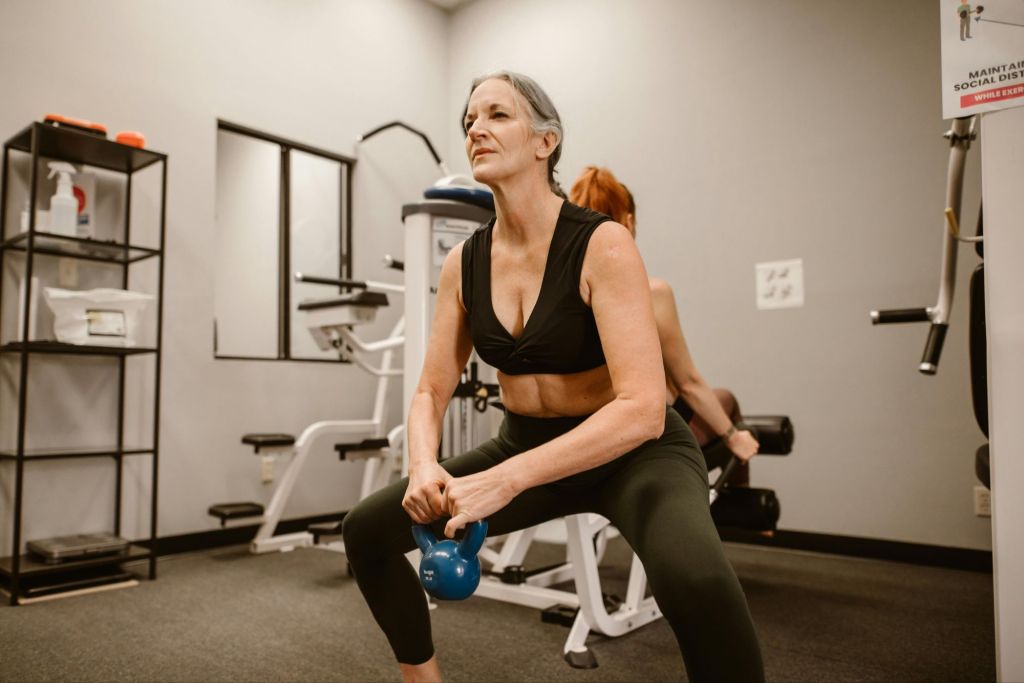
Photo by RDNE Stock project: Pexels
To maintain this essential tissue, engaging in regular resistance training is vital. Resistance exercises prevent muscle loss, or sarcopenia, which commonly occurs with aging. Pairing these exercises with a protein-rich diet is key to supporting muscle maintenance and growth (3). Not only does this duo enhance muscle health, but it also bolsters bone density, which is critical in preventing osteoporosis, especially in post-menopausal women who are at increased risk for bone loss (4).
Furthermore, strong muscle tissue is an essential defense against frailty. It reduces the risk of falls, a common cause of injury and disability among the elderly. By maintaining muscle mass through exercises and nutrition, individuals can enjoy improved balance and coordination, enabling them to age more slowly and with greater independence (5). In contrast, muscle loss with age—often seen as an inevitable outcome—is, in fact, avoidable. Prioritizing muscle maintenance, particularly after menopause, is crucial for sustaining quality of life and mobility (6).
Photo by RDNE Stock project: Pexels
Low muscle tone, unfortunately, brings a host of risks. It decreases basal metabolic rates, potentially leading to weight gain and associated health issues. Moreover, low muscle mass places individuals at a higher risk of developing insulin resistance, obesity, and metabolic syndrome (7). Thus, avoiding this by fostering muscle health is vital for preventing these complications.
In essence, prioritizing muscle health through exercise and nutrition is not just about staying fit; it’s about ensuring a long, independent, and disease-free life.
If you would like to have personal training, yoga or Pilates in a private gym in Alnwick please get in touch.
**References**
1. Williams, R. et al. (2015). “The Metabolic Role of Muscle.” *Journal of Glucose Management*.
2. Smith, J. (2017). “Inflammation and Chronic Diseases.” *Global Health Review*.
3. Thomas, L. et al. (2018). “Protein and Muscle Maintenance.” *Nutrition Today*.
4. Jones, M. (2020). “Bone Density Post-Menopause.” *Women’s Health Reports*.
5. Wilson, A. (2019). “Falls and Frailty.” *Aging and Mobility Studies*.
6. Clark, S. et al. (2021). “Preventing Age-related Muscle Loss.” *Geriatric Sciences*.
7. Brown, T. (2022). “Low Muscle Tone and Metabolic Health.” *Endocrine Insights*.



 Sam Kelly Fitness