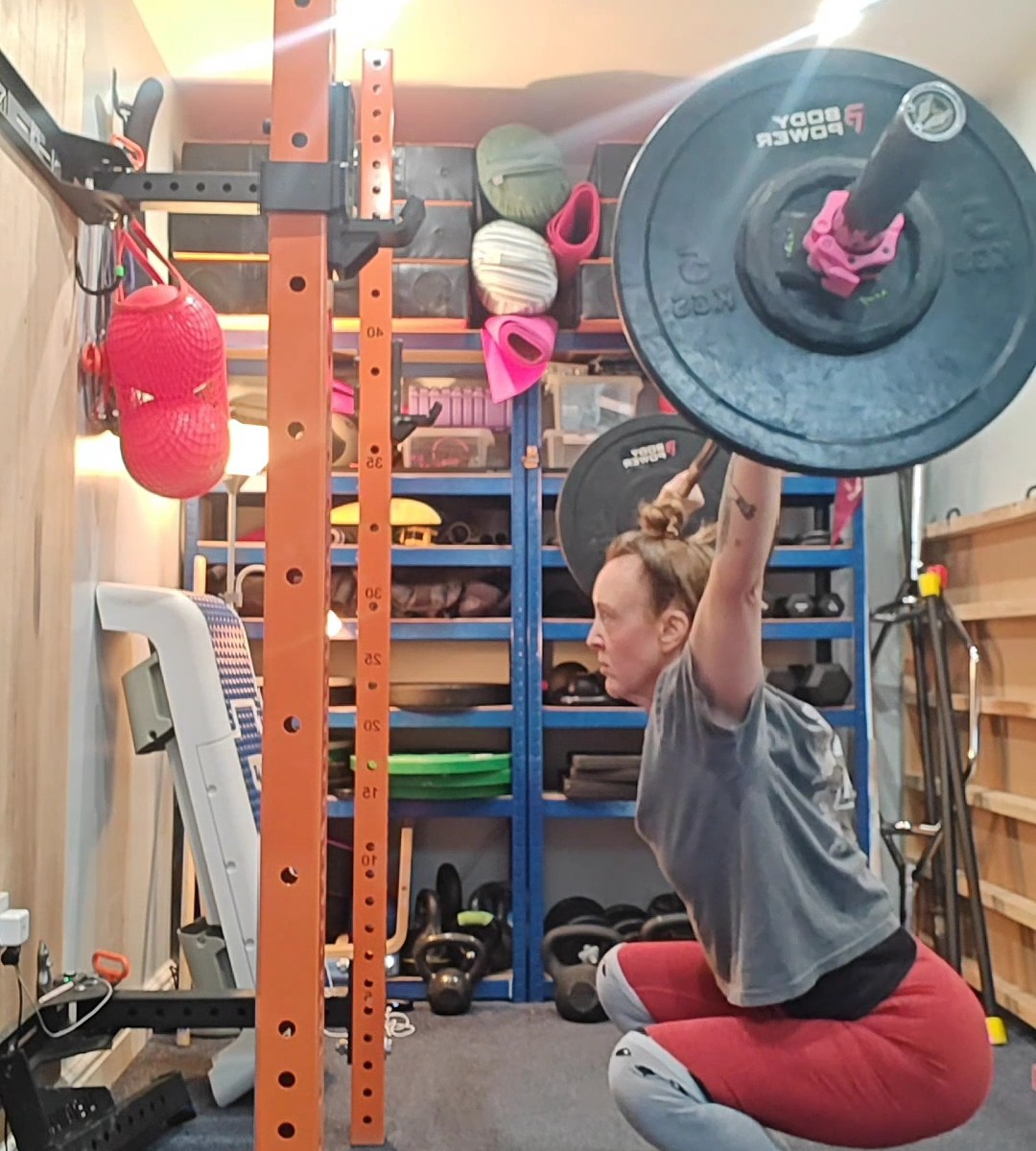
I don’t train to be the strongest person I know I’m not. Nor am I learning olympic weightlifting to win anything, it’s likely I won’t. I train in order to stay as independent as I can for as long as I can. To protect my muscle mass and bone density.
It’s also a big f**K you to all the kids who called me a spastic, spakka legs and bandy. Who made me mistrust and hate my body for having femoral anteversion and a hypermobility spectrum disorder. Nearly 15 years of bullying with not a single adult who intervened, to the point where as a kid I often hoped I wouldn’t wake up.
Over the years since then I’ve learned to love the body I’m in and how to work with it effectively. To take back who I am regardless, and yes I still occasionally get snide comments due to being disabled.
You don’t have to be perfect to enjoy movement and you don’t have to be the best at it to benefit from it!
The more we move away from a natural environment the more it seems we suffer. The rates of chronic health conditions seem to do nothing but increase year upon year. The question is why? As with all things it will be multiple factors but Circadian biology might hold one of the clues.
Circadian biology is an exciting field that explores the natural, internal processes that regulate the sleep-wake cycle and repeat roughly every 24 hours. These biological clocks fundamentally drive how our bodies function by regulating cycles of alertness and relaxation. Understanding and aligning with these rhythms is fundamental to metabolic health and overall wellbeing.
The concept of circadian rhythms matters because these natural processes govern numerous body functions, including hormone release, eating habits, digestion, and body temperature. When these rhythms are in sync with our environment, they promote healing, metabolism, and well-being.
Research has substantiated that when circadian rhythms are disrupted, they can lead to significant health issues. Misalignment can increase the risk of chronic conditions such as obesity, diabetes, cardiovascular disease, and mental health disorders [1]. Shift workers and night shift workers are particularly susceptible. Studies show they suffer higher rates of metabolic disorders than their counterparts [2].
Photo by Jessika Arraes: Pexels
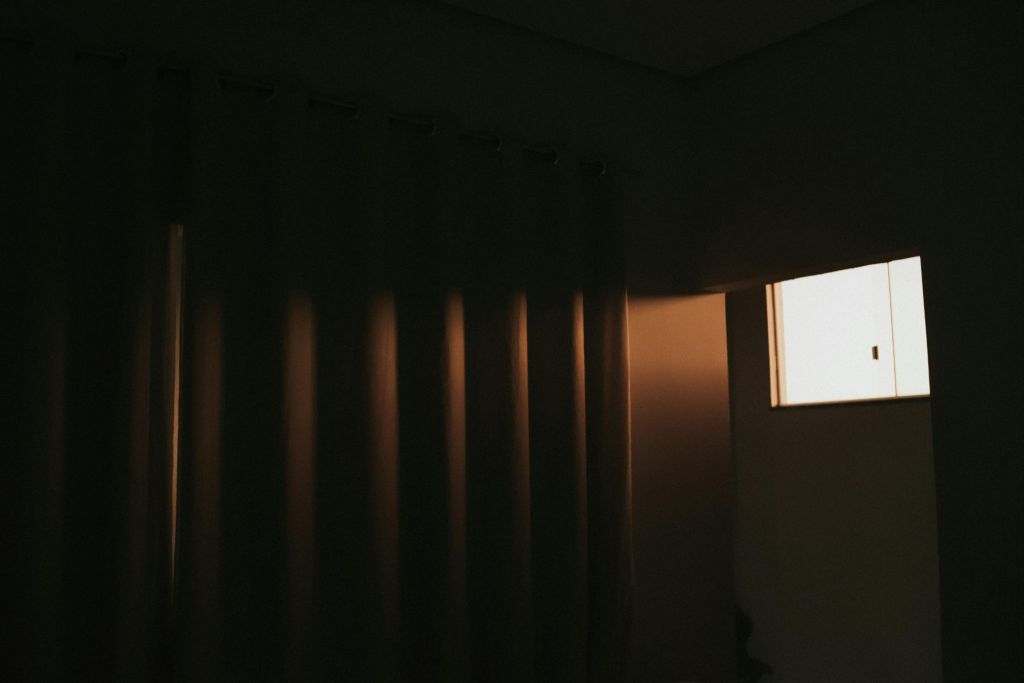
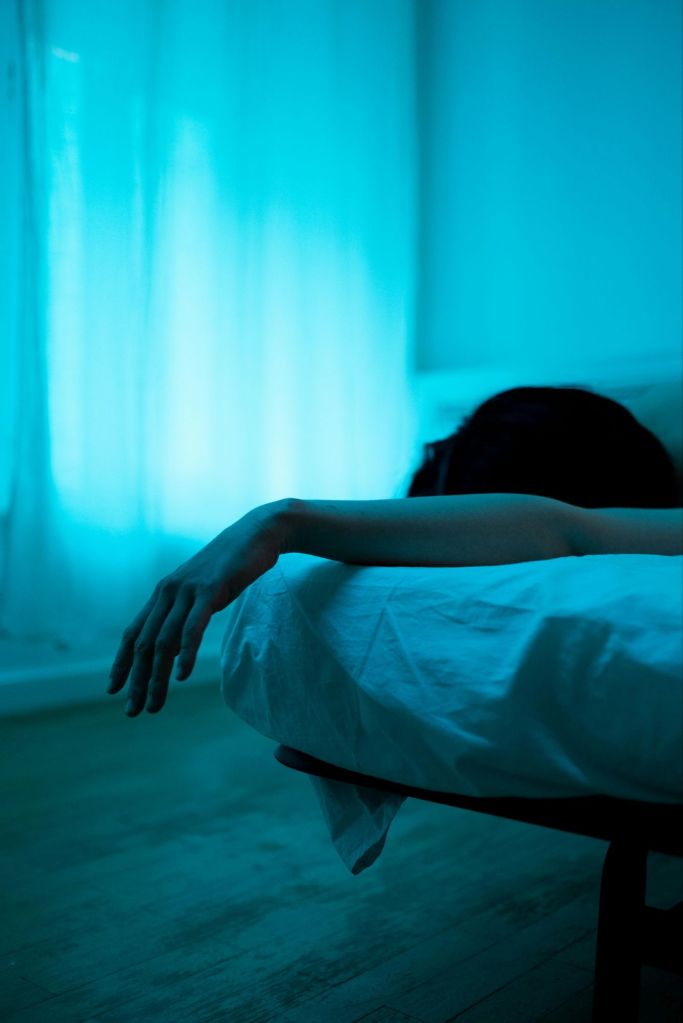
One vital aspect of aligning with circadian rhythms is ensuring sleep occurs in total darkness. The absence of light, especially blue light from electronic devices, encourages the production of melatonin, a hormone critical for sleep regulation. Research suggests that sleeping in darkness may also reduce the risk of certain cancers, particularly breast cancer, as prolonged darkness promotes deeper sleep and better hormonal regulation [3]. This dark point in our routine quite simply allows not only for better deeper sleep but the repair mechanisms to take place within the body. Think of it as the cleaning team sweeping through. As discussed in the last post cellular senescence is one aspect of aging and disease, now it’s at night and in the dark the clean up team deals with these cells.
Photo by cottonbro studio: Pexels
Unfortunately we have a number of modern life aspects that interfere with this process. Blue light for example emitted from screens may disrupt the natural circadian rhythm by tricking the brain into thinking it is still daytime. To counteract this, it’s vital to reduce screen time before bed or use blue light blocking features. Similarly, ample daylight exposure during the day reinforces our body’s need to rest at night, regulating our sleep-wake cycle efficiently [4].
Photo by cottonbro studio: Pexels
Adjusting our home environment can help maintain healthy circadian biology. This includes dimming lights in the evenings, investing in blackout curtains, and creating a bedtime routine that reduces screen exposure. Daytime exposure to natural light aids in setting a robust circadian rhythm [5].
Essentially we want to start our day in bright light ideally daylight to allow the body to know its day time and end it in total darkness to create the optimal environment for cellular clean up.
In other words optimizing circadian health involves ensuring regular exposure to natural light during the day, minimizing blue light exposure after dusk, and sleeping in total darkness. Embracing these practices helps harmonize our biological clock with nature, enhancing metabolism and overall health.
If you would like to have personal training, yoga or Pilates in a private gym in Alnwick please get in touch.
References: 1. Institute of Circadian Research, 2021. 2. Night Workers Health Study, Medical Journal, 2020. 3. Sleep and Cancer Study, Health Science Review, 2019. 4. Blue Light Effects Analysis, Journal of Sleep Research, 2018. 5. Home Environment and Sleep, Environmental Health Journal, 2021.
Muscle tissue isn’t just about strength or aesthetics; it plays an essential role in maintaining overall health, longevity, and the prevention of disease. Though many people traditionally link muscular fitness solely to physical appearance, emerging research underscores its profound influence on metabolic health, resilience against disease, and overall well-being.
First and foremost, muscle tissue is a metabolic powerhouse. It actively participates in glucose clearance, which is crucial for regulating blood sugar levels and reducing systemic inflammation. In fact, the more muscle mass you have, the better your body’s ability to metabolize glucose, potentially lowering the risk of developing Type 2 diabetes (1). Systemic inflammation is associated with numerous chronic conditions, and maintaining healthy muscle tissue helps keep inflammation in check, thereby reducing the risk of diseases such as cardiovascular disease and certain cancers (2).
Photo by RDNE Stock project: Pexels
To maintain this essential tissue, engaging in regular resistance training is vital. Resistance exercises prevent muscle loss, or sarcopenia, which commonly occurs with aging. Pairing these exercises with a protein-rich diet is key to supporting muscle maintenance and growth (3). Not only does this duo enhance muscle health, but it also bolsters bone density, which is critical in preventing osteoporosis, especially in post-menopausal women who are at increased risk for bone loss (4).
Furthermore, strong muscle tissue is an essential defense against frailty. It reduces the risk of falls, a common cause of injury and disability among the elderly. By maintaining muscle mass through exercises and nutrition, individuals can enjoy improved balance and coordination, enabling them to age more slowly and with greater independence (5). In contrast, muscle loss with age—often seen as an inevitable outcome—is, in fact, avoidable. Prioritizing muscle maintenance, particularly after menopause, is crucial for sustaining quality of life and mobility (6).
Photo by RDNE Stock project: Pexels
Low muscle tone, unfortunately, brings a host of risks. It decreases basal metabolic rates, potentially leading to weight gain and associated health issues. Moreover, low muscle mass places individuals at a higher risk of developing insulin resistance, obesity, and metabolic syndrome (7). Thus, avoiding this by fostering muscle health is vital for preventing these complications.
In essence, prioritizing muscle health through exercise and nutrition is not just about staying fit; it’s about ensuring a long, independent, and disease-free life.
If you would like to have personal training, yoga or Pilates in a private gym in Alnwick please get in touch.
**References**
1. Williams, R. et al. (2015). “The Metabolic Role of Muscle.” *Journal of Glucose Management*.
2. Smith, J. (2017). “Inflammation and Chronic Diseases.” *Global Health Review*.
3. Thomas, L. et al. (2018). “Protein and Muscle Maintenance.” *Nutrition Today*.
4. Jones, M. (2020). “Bone Density Post-Menopause.” *Women’s Health Reports*.
5. Wilson, A. (2019). “Falls and Frailty.” *Aging and Mobility Studies*.
6. Clark, S. et al. (2021). “Preventing Age-related Muscle Loss.” *Geriatric Sciences*.
7. Brown, T. (2022). “Low Muscle Tone and Metabolic Health.” *Endocrine Insights*.
Perhaps like a lot of people in the new year you are thinking about dusting off your trainers and getting back into exercise? The question is how do you set yourself up for success? Whether you’re returning after a long break or just revamping your routine, it’s crucial to approach it thoughtfully and safely.
First things first—be gentle with yourself as you restart your fitness journey. Begin with light workouts or physical activities that you genuinely enjoy, like cycling, dancing in the kitchen swimming, or even brisk walks. The key is to ease your body back into the rhythm of regular exercise without overwhelming it. If you are wanting to learn a new skill such as yoga, Pilates or start resistance training with free weights I would strongly recommend classes or a trainer. That way you learn the correct form and exercises can be adapted to your needs. This is especially important if you have old or existing injuries or underlying health conditions. Nothing ruins a good intention like an injury.
Photo by Kampus Production: Pexels
As you get comfortable, you’ll want to introduce a concept known as progressive overload. This means gradually increasing the weight, intensity, or duration of your workouts to continue challenging your muscles and seeing improvements. It’s a crucial strategy to keep progressing, but always listen to your body and adjust accordingly. If you don’t incorporate progressive overload at best you stop progressing but at worst you can even regress. The body is incredibly good at adapting which means if you don’t continue to challenge it, your body will adapt to the stimulation so we’ll the starting program will no longer do much. If you are working with a trainer or coach they will handle this aspect for you.
Photo by Marcus Chan: Pexels
After a while you might lose the motivation to continue, you will I’m sure have very personal reasons as to why you started it’s worth remembering this initial motivation. Here are a few potential reasons to move that hopefully will keep you motivated.
1. **Bone Health**: Regular exercise, particularly weight-bearing activities like walking and weightlifting, is essential for maintaining bone density. This helps prevent conditions like osteoporosis, keeping your bones strong as you age (Hamdy, 2021).
2. **Preventing Sarcopenia**: As we age, muscle mass naturally declines, a process known as sarcopenia. Staying active and engaging in resistance training can slow down this process, helping maintain muscle strength and size (Janssen, 2018).
3. **Independence and Enjoyment**: Fitness isn’t just about looking good—it’s about feeling good and being able to live life on your terms. Regular movement helps maintain independence, making daily tasks easier and more enjoyable. Whether it’s playing with your kids, gardening, or dancing, staying active enhances your quality of life.
Finally how do you set yourself up for the best chance of success?
– **Set Realistic Goals**: Start with achievable targets and slowly increase them as you build strength and endurance.
– **Find a Buddy**: Sometimes, having a workout partner can provide extra motivation and make activities more enjoyable.
Photo by Elina Fairytale: Pexels
– **Hire a Trainer**: Perhaps you already know you struggle with what to do and when or sticking to a program. Having an appointment keeps you accountable and takes care of “where do I start and what do I do”. It is also really important to seek the advise of someone who knows what they are doing if you are recovering from illness or injury. Part of which might be getting clearance from your doctor then seeking a trainer who can work with/around that condition.
– **Celebrate Small Wins**: Every step forward is progress. Celebrate milestones, no matter how small.
– **Remember why you started**: Keep in mind your personal reasons for starting as well as those listed above. Exercise is a lot like brushing our teeth, we don’t always want to do it, but we know it’s critical to good health.
Remember, the goal is to enjoy the journey as much as the results. Stay patient, be consistent, and your efforts will surely pay off.
If you would like to have personal training, yoga or Pilates in a private gym in Alnwick please get in touch.
– Janssen, I. (2018). The Challenge of Sarcopenia: Musculoskeletal Declines with Aging. *Public Health Reviews*, [online] Available at: <https://www.publichealthreviews.com>
If you would like to work with a personal trainer also qualified in yoga and Pilates in a private home gym in Alnwick please get in touch.
When considering hiring a personal trainer, it’s essential to evaluate your needs and the type of environment where you’ll thrive. Do you prefer the bustling atmosphere of a busy gym, or do you find solace in a quieter, more private setting? Are there specific areas of concern such as sensory overwhelm or allergies?
Recognising this will narrow down your choices and ensure you feel comfortable and motivated during your training sessions.
Photo by cottonbro studio: Pexels
For those with specific health concerns, it’s crucial to find a trainer with the requisite expertise or experience in dealing with such issues. A trainer with several years under their belt may offer invaluable insights and precautions tailored to your unique requirements.
The modern world offers ample ways to vet your potential trainer. Start by exploring if they have a professional website or a presence on social media. This not only gives you a glimpse into their training philosophy but may also showcase reviews and testimonials. Positive feedback from past clients can provide reassurance about their skills and professionalism.
Qualifications are indispensable in the fitness industry. Don’t hesitate to ask to see evidence of their certifications. A certified trainer should proudly present their qualifications, assuring you of their competency.
Equally don’t be afraid to ask details about the qualifications, a weekend course is not the same as a year long one. Short day long or weekend courses or even entirely online are becoming common in the yoga and Pilates world. The depth of this type of qualification is not the same as one taken over many months or years in a studio
Similarly, inquire about their experience. This can be of particular importance of you have specific health concerns or needs that are relevant to your training.
Some trainers specialise in specific areas, while others cover a spectrum that includes yoga, Pilates, resistance, and cardio training. Know what you’re looking for in a training programme to ensure it aligns with your personal goals and interests.
Photo by cottonbro studio: Pexels
Budget constraints can be a significant factor in decision-making. Generally, a newly qualified trainer working within a public gym will be more affordable than a seasoned trainer with their premises. Remember, the more advanced and varied the trainer’s qualifications, the higher their rate might be. Therefore, it’s about finding a balance between expertise and affordability.
Finally check what their billing schedule is, some trainers ask for a minimum booking others week to week. I for example work on a week to week basis with no minimum booking required but I do have a 24 hour cancellation policy.
Ultimately, hiring a personal trainer is a personal decision. Aim to get the best value for your budget while ensuring they are the right fit for you. Always feel empowered to ask questions and be transparent about what you’re seeking in your fitness journey. If unsure ask to meet beforehand and have a chat about what you are looking for to see if that trainer fits your bill.
If you would like to have personal training, yoga or Pilates in a private gym in Alnwick Northumberland please get in touch.
[^1]: Smith, J. (2022). “The Benefits of Personal Training.” Fitness Journal. [^2]: Brown, L. (2021). “Understanding Qualifications: A Guide to Fitness Training Certifications.” Health & Fitness Review.
If you are considering joining me for one to one training in my little home gym in the new year here’s what to expect:-
On the first session we meet and have a chat about what you are looking for, what you hope to gain from the process as well as likes and dislikes movement wise.
Then we go through anything health related that might be relevant to the training sessions. This could be long term health conditions or old injuries.
Taking all of the above into account I take you through a few movements, nothing scary pretty basic body strength and mobility to see what your body wants to add to the conversation. If at any point of course if I ask you to do anything that feels wrong for your body we will skip that movement.
Then all of the above information is used to design a program that works towards your aims while working on mobility and strength to the degree that your body is ready for.
Some people start with a great deal of mobility work in order to allow them to move onto strength work safely. Others start with joint stabilisation for example in hypermobility spectrum disorders this is always stage one. For another it might be quite quickly into strength work.
The mobility and strength is through a blend of yoga, Pilates, bodyweight exercises and free weight resistance training.
Over time as you progress for most people more of the strength work is added in week upon week. Still we keep a focus on mobility to allow for strength through as full a range of movement as possible. This might be over a matter of weeks it might be over a matter of months. Each person will have different needs and their sessions as a result will look and progress differently.
The overall aim is however the same, to help you realign and strengthen your body to allow you to move freely and comfortably in day to day life.
For more information please read through other pages. The reviews page is a good place to start as it gives an idea of the process from a participants point of view and of course feel free to message with any questions.
If you don’t know who Greg is, he created the CrossFit methodology a couple of decades ago.
Not everyone is a fan of CrossFit but it can’t be denied that he took the fitness and turned it on its head. Olympic weightlifting had the biggest resurgence in decades due to CrossFit, hell the barbell became normal in gyms again mainly due to CrossFit. I would also argue that it was the biggest factor in women beginning to see that strength training was for them as well not just men. Now Instagram is full of women of every age getting as strong as they can. This especially in menopause is absolutely and I can’t emphasise this enough critical for health.
Not to forget that he factored in a no nonsense approach to lifestyle and nutrition focused on meat, veg no sugar low carbs at a time everything was still low fat etc.
He was ousted from CrossFit in 2020 for various reasons and hadn’t done a great deal publicly since then.
So I’ll definitely be interested to see where he’s going with this new venture
An interesting change happened within the built environment over the past few decades. Along with major changes in our food environment and movement patterns our light environment completely changed. Perhaps this may be a part of the puzzle in what has caused the increase in chronic illnesses over the past few decades? There will be multiple factors but the current research particularly on red and near infrared light is fascinating and certainly worth following to see where it goes.
What do I mean by our light environment changed? Well gradually we removed full spectrum light from our indoor environment and our lives overall limiting it to predominantly blue light. A combination of factors caused this, firstly our move to life mainly indoors and secondly a desire to make lighting more energy efficient.
Due to the energy saving potential incandescent light bulbs were gradually replaced by LED bulbs which only use the visible spectrum. In other words wavelengths of light that we can actually see. However there are numerous wavelengths of light radiating from the sun, many of which even if we cannot see them interact with the body. Two of the spectrums we lost from our indoor lighting are red and near infrared (NIR)
Previous NIR exposure over the last 200 years [1]
Add to this double glazing and glass that filters out UV light and less time spent outside and we might all be suffering a light deficiency.
This is a reasonably recent issue, in the past we were exposed to full spectrum light from sunlight, firelight, candles, oil lamps and incandescent bulbs. Essentially if a light source produces light and heat it likely will also be producing near infrared and red light also. Near infrared and red light can now also be found in light panels created deliberately to emit these frequencies. In the past decade photobiomodulation has become an expanding area of research with researchers from diverse backgrounds including medics, engineers and NASA scientists all looking at different areas. Discoveries so far include:-
1. **Wound Healing and Tissue Repair**: NIR light has been shown to accelerate wound healing and tissue repair. Research indicates that it can stimulate cellular regeneration and reduce inflammation, which aids in faster recovery.[1]
2. **Pain Reduction**: Studies suggest that NIR light can alleviate pain by reducing inflammation and promoting blood flow to the affected areas. It is particularly effective in treating musculoskeletal pain.[2]
3. **Cognitive Function and Brain Health**: NIR light therapy has been investigated for its potential neuroprotective effects. It can enhance mitochondrial function, reduce oxidative stress, and improve cognitive performance in neurological conditions like dementia.[3]
Tissue specific processes that occur after PBM and benefit a range of brain disorders. BDNF, brain-derived neurotrophic factor; LLLT, low level light therapy; NGF, nerve growth factor; NT-3, neurotrophin 3; PBM, photobiomodulation; SOD, superoxide dismutase. [2]
4. **Skin Health**: NIR light therapy promotes collagen production and improves skin elasticity, which can reduce signs of aging and enhance overall skin health. It is also used to treat conditions like acne and scars. [4]
5. **Improved Circulation**: NIR light can enhance blood flow and oxygenation, which is beneficial for cardiovascular health and recovery from injuries. [5]
6. **Production of melatonin within the cell** NIR light it looks like produces melatonin at a cellular level. This melatonin is believed to be used as coolant by the mitochondria. In turn this reduces inflammation within the cell.[6][7]
7. **Reduction of symptoms in COVID19**
Fascinating work by an intensive care doctor found that used red and NIR light significantly reduced the symptoms of seriously ill patients. [8][9]
8. **Reduction of post prandial blood glucose**
A double blind study found that after meals red light being shone upon the lower back reduced blood sugar levels significantly. This is believed to be due to the cells working more efficiently at up taking the glucose hence there was less left in the blood stream.[10]
Post glucose blood levels red light intervention compared to placebo [3]
9. **May increase collagen production**
Research appears to indicate that controlled exposure to NIR and red light increases collages and reduces wrinkling in the skin.[11] NIR may also prepare the skin for UV light reducing the damaging impact of UV light.[12]
The areas that particularly interest me are the improvement in the function of mitochondria, efficiency with blood glucose, and the impact on the brain.
So what do we do with this information? It’s not practical to spend 50% of our time outdoors as our ancestors would have done unless you work outdoors and it will likely be a long time before the indoor light environment changes again. Research can take decades to filter through to action.
A first step would be to spend as much time outside as is practical for you and at minimum aim to get out into daylight most days ideally for some form of movement. Full spectrum bulbs are available and a good consideration if you spend most of your time indoors as are (if it’s within your budget) red light devices. However full spectrum bulbs although they release red light they do not have NIR. If there are rooms you spend a large amount of time in, it and NIR devices it might be worth considering switching back to the more efficient incandescent bulbs. In the US there is a bulb manufacturer making bulbs that are a LED plus a NIR filament combination which I would love to see available here. Interestingly because our mitochondria communicate with each other we don’t need more than a small amount of skin exposure to red light to reap some of the benefits.
It’s an interesting and relatively new field within health but maybe in a few years it will be as commonplace as discussions of any other health need. Perhaps we need to think of light as a nutritional need in the same way as water and food? It will be interesting to watch this area!
Due to all of the potential benefits of red and near infrared light I have a light panel installed on the gym wall. The NIR aspect is running throughout training sessions. For any clients who I feel will benefit from red light they have the opportunity to spend 5 minutes with their back to the panel after their session has finished. This is free of charge.
If you would like to have personal training in a private gym in Alnwick Northumberland please get in touch.
Or perhaps you would like to work with an online fitness coach competent in working with health issues and injuries.
[1] Mechanisms of low level light therapy. Hamblin, M. R., & Demidova, T. N. (2006).
[2] Efficacy of low-level laser therapy in the management of neck pain: a systematic review and meta-analysis of randomized placebo or active-treatment controlled trials. Chow, R. T., Johnson, M. I., Lopes-Martins, R. Â. B., & Bjordal, J. M. (2009
[3] Shining light on the head: photobiomodulation for brain disorders. Hamblin, M. R. (2016).
[4] The photobiological basis of low level laser therapy (LLLT). Calderhead, R. G. (2007).
[5] Red/near infrared light stimulates release of an endothelium dependent vasodilator and rescues vascular dysfunction in a diabetes model. Keszler A, Lindemer B, Weihrauch D, Jones D, Hogg N, Lohr NL. (2017)
[6] Melatonin: Both a Messenger of Darkness and a Participant in the Cellular Actions of Non-Visible Solar Radiation of Near Infrared Light. Tan DX, Reiter RJ, Zimmerman S, Hardeland R.
[7] Melatonin and the Optics of the Human Body. Zimmerman S, (2020)
Well, I did it, or at least I hit 85% success. But by god by the end was it a pain in the arse. So here are my takeaways.
Photo by James Wheeler
If you commit to something like this keep in mind your life might change throughout the year. My training upped significantly and I went from teaching classes to becoming solely a personal trainer. Very quickly I was fully booked. This meant my activity level went up quite a good deal and keeping up with the steps some days was really tricky.
Build flexibility into any challenge. I really wish I had factored rest days in and had to add them in towards the end due to point 1.
Walking will improve your cardio fitness as long as you change speed, distance or add weight (back pack) my cardio has improved significantly and I can walk very steep hills with not much of a heart rate raise.
Walking is a great way to improve blood pressure. My BP had been a little erratic since I went into surgical menopause a few years ago and I was worried that it would start to become an issue. After the year of adding in extra steps it is now comfortably around 116/78.
I lost weight to begin with but added calories back in as I was getting super tired with all the extra training and teaching. I finished the year around the same weight although due to weight training with more muscle mass. In other words if you want to use walking as a weight loss method don’t eat anymore than you already are.
The dog will mostly love it if you have one, but even they some days will be like “for the love of god woman sit down”
Photo by Gabriela Palai
The next challenge I am starting is to see if there is any difference between walking a lot and more high intensity exercise. I will be using my Polar watch to do this. Currently it is set at the highest level of activity goal and my aim from Jan 24 to the end of Dec 24 is to hit an average of 100 percent 5 days a week. You will note the added flexibility here! Two days where I can be more restful, and the other days can be averaged which allows for a quieter day after a much busier day. I regret not allowing for averages during the walking challenge as some days I would hit 25000 steps but STILL have to do the 15000 the next day, Which beat me up a few times!
All in all though it was a reasonable challenge and if you are looking for a simple way to get fitter, reduce blood pressure and maybe lose some weight I would definitely recommend giving it a go for a year, but make it an average of 15000 steps a day over 5 or 6 days a week to allow a little wiggle room!
If you would like to have personal training in a private gym in Alnwick Northumberland please get in touch.
The past couple of months I’ve been working on setting boundaries. I am really not very good at doing this and basically want everyone I care about to be happy. I think it’s not uncommon for mums to find themselves in this situation, especially if they have children with additional needs. My 3 children all had significant challenges growing up ranging from depression, autism (and the unwillingness of the world to be a kind place to autistic people) to cancer and an especially nasty cancer causing genetic disorder.
I always saw it as my role to smooth things over, to make their life easier when at times it was far from it. Which of course is the right thing to do, but then I kept doing it not only for them but for well anyone I loved. I continually put myself last and well I found myself exhausted. Bone tired exhausted, regularly doing things for other people that actually they could do for themselves. I was the person who would say yes to everyone and bend over backwards to make everyone’s life easier.
You will think this is ridiculous, but it wasn’t till I started working with a counsellor dealing with some of the issues I have from childhood trauma and some of the awful years where my children were suffering that I realised this was a problem. Somewhere in my psyche I have a belief that in order to be loved I need to look after everyone. That unless I am making sure they are happy they won’t love me. Perhaps it stems from being years of being bullied, perhaps later years and bad relationships. I honestly don’t know. But it’s there as a belief and it’s one that I’m working with.
I started with family boundaries, allowing people to do things for themselves that they were more than capable of. There are people in my life who have significant struggles not all of which they can manage on their own I still help with areas they need. But I was taking on a lot that they are more than capable of and that was primarily my fault. I hadn’t set the boundaries for myself and felt my input was vital. The reasons of childhood cancer etc are more than understandable. But still that’s where I found myself, taking over when people didn’t actually need it.
But finding myself waking up at 5 am and not stopping till 8 pm was becoming unsustainable and I was just making myself miserable.
At 50 I am in a process of re-finding myself and allowing myself to come first sometimes. I was not just put on this earth to look after everyone else and nothing more than that. I deserve to explore my own joy and ambitions. I deserve to have time to read a book, relax in a bath or see friends. Other people deserve the chance to try and sometimes fail on their own and by doing so grow in the way we all have to.
That is a work in progress, saying no sometimes, and backing off when it’s not really my place to take responsibility.
The next set of boundaries I have started to set are with work. I am a self employed personal trainer which means everything is my responsibility from advertising to looking after equipment, keeping records on clients, planning and of course delivering the session. Not to mention the actual delivery of the session. For every hour taught there is another 20 to 30 minutes spent on setting the room up, then tidying it up, note making and planning.
After a month of a great deal of cancellations and numerous evenings on the phone re-arranging appointments I was talking to my counsellor who suggested that was another boundary I should set. He was of course right. I needed work boundaries. Just as I could not be there for family 24/7 I needed to have some stability in my working life. I previously had taught classes which is a very different way of working and not reliant on an individual in the same way. The transition into working out of a home gym means I am learning as I go along and I had not at the outset stated clear guidelines.
All of my clients are genuinely lovely people and likely hadn’t even thought about the issues it causes when there are a lot of cancellations especially last minute.
Before becoming self employed I did not realise the frustration of turning work away because I believed I was fully booked to have so many cancellations you lose a full day of work. I am a great deal more considerate now of my fellow self employed friends.
There’s the added complication that unlike a hairdresser or a beauty therapist for example I can’t fit in a new client ad hoc. To be able to see everyone in a given week I can only have a finite number of clients. Occasional clients isn’t really a thing in this line of work.
Any new client I take on is going to want regular sessions be it weekly or fortnightly.
I also want my little business to be as successful as possible and to be able to help as many people as possible in a given week.
My new rules then for work were
1. Not replying to messages after 6.30 pm
2. Instituting cancellation terms. Fairly standard ones nothing exciting.
3. If anyone really is unreliable let them go as a client.
I emailed everyone with my new terms and I immediately lost a couple of clients. Strangely they were clients who already did everything I had outlined in the cancellation terms, which really took me aback.
With both setting boundaries with family and with work there was a similar reaction, some people totally understood it. Others took it personally when it wasn’t.
As someone who struggles with setting boundaries any negative reaction is very tough, which is very much a me thing. It felt especially with loved ones like it reinforced my fear that to be loved I need to be forever available.
With family and friends I chose to focus on the people who loved me anyway, who offered to help me because they knew I was flat out busy. Who loved me regardless for who I am not what I do, even when I am too tired to have anything to give.
With clients it is a little more simple, they come and go it’s the nature of the business and I will always respect the choice of anyone who has decided it is no longer for them. Even if I will miss them.
When setting boundaries we do not control how the other person will react. That is an aspect of the process we need to accept.
Their reaction is their own and they absolutely have a right to it, that doesn’t mean it was wrong to set the boundary, although you may question yourself.
Each of us has a finite amount of energy and time to give to family, friends and work. Accepting that and working with it long term is to the benefit of everyone. None of us is a great deal of use if we are totally burned out and overwhelmed.
Now I have boundaries in place, as much in my mind as anywhere else I feel genuinely lighter and more optimistic for the future. I feel less like I am running to stand still and more like I can start to plan things to look forward to. It is never an easy thing to do, but if your lines are so blurred you don’t ever have time to yourself, time to relax or be open to plans and feel as though you exist for everyone else you may need to do the same.
Remember
You are entitled to boundaries both in your private and work life. You are not here to look after everyone else at the expense of your own health.
Not everyone will like it.
You don’t control how anyone else reacts or views your decision.
You may lose some people from your personal or professional life and not understand why.
It is still worth setting the boundaries, once through the process of doing so your life will improve as a result. Likely your relationships will benefit due to this.
If you would like a female personal trainer in Alnwick Northumberland who is well versed in different types of training including working with health issues please get in touch.
I am also a qualified yoga teacher and Pilates instructor.












 Sam Kelly Fitness