Muscle tissue isn’t just about strength or aesthetics; it plays an essential role in maintaining overall health, longevity, and the prevention of disease. Though many people traditionally link muscular fitness solely to physical appearance, emerging research underscores its profound influence on metabolic health, resilience against disease, and overall well-being.
First and foremost, muscle tissue is a metabolic powerhouse. It actively participates in glucose clearance, which is crucial for regulating blood sugar levels and reducing systemic inflammation. In fact, the more muscle mass you have, the better your body’s ability to metabolize glucose, potentially lowering the risk of developing Type 2 diabetes (1). Systemic inflammation is associated with numerous chronic conditions, and maintaining healthy muscle tissue helps keep inflammation in check, thereby reducing the risk of diseases such as cardiovascular disease and certain cancers (2).
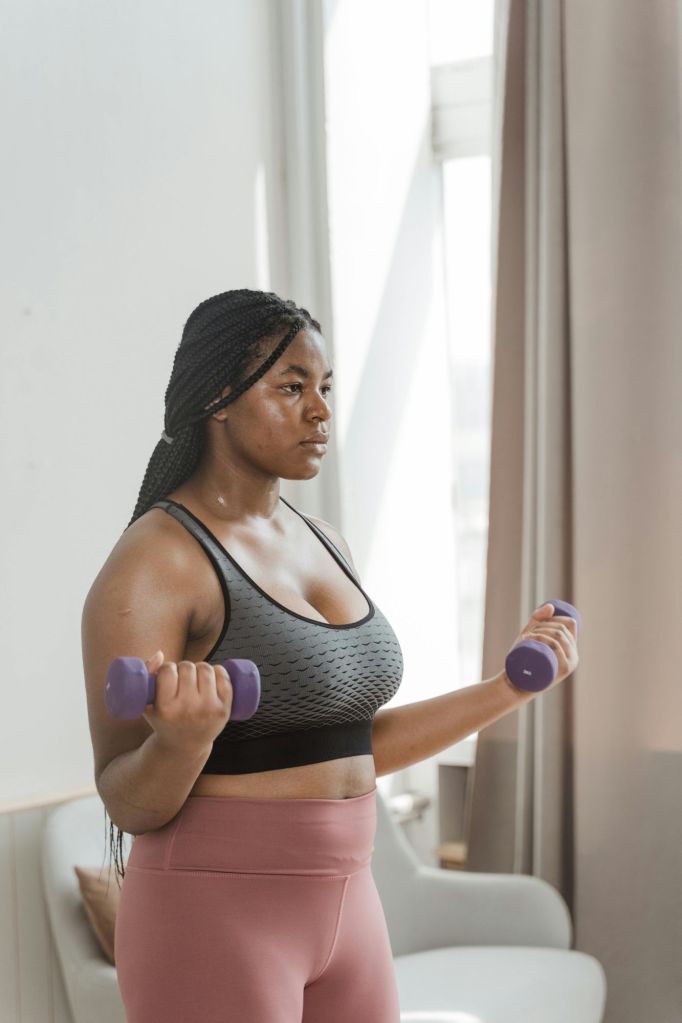
Photo by RDNE Stock project: Pexels
To maintain this essential tissue, engaging in regular resistance training is vital. Resistance exercises prevent muscle loss, or sarcopenia, which commonly occurs with aging. Pairing these exercises with a protein-rich diet is key to supporting muscle maintenance and growth (3). Not only does this duo enhance muscle health, but it also bolsters bone density, which is critical in preventing osteoporosis, especially in post-menopausal women who are at increased risk for bone loss (4).
Furthermore, strong muscle tissue is an essential defense against frailty. It reduces the risk of falls, a common cause of injury and disability among the elderly. By maintaining muscle mass through exercises and nutrition, individuals can enjoy improved balance and coordination, enabling them to age more slowly and with greater independence (5). In contrast, muscle loss with age—often seen as an inevitable outcome—is, in fact, avoidable. Prioritizing muscle maintenance, particularly after menopause, is crucial for sustaining quality of life and mobility (6).
Photo by RDNE Stock project: Pexels
Low muscle tone, unfortunately, brings a host of risks. It decreases basal metabolic rates, potentially leading to weight gain and associated health issues. Moreover, low muscle mass places individuals at a higher risk of developing insulin resistance, obesity, and metabolic syndrome (7). Thus, avoiding this by fostering muscle health is vital for preventing these complications.
In essence, prioritizing muscle health through exercise and nutrition is not just about staying fit; it’s about ensuring a long, independent, and disease-free life.
If you would like to have personal training, yoga or Pilates in a private gym in Alnwick please get in touch.
**References**
1. Williams, R. et al. (2015). “The Metabolic Role of Muscle.” *Journal of Glucose Management*.
2. Smith, J. (2017). “Inflammation and Chronic Diseases.” *Global Health Review*.
3. Thomas, L. et al. (2018). “Protein and Muscle Maintenance.” *Nutrition Today*.
4. Jones, M. (2020). “Bone Density Post-Menopause.” *Women’s Health Reports*.
5. Wilson, A. (2019). “Falls and Frailty.” *Aging and Mobility Studies*.
6. Clark, S. et al. (2021). “Preventing Age-related Muscle Loss.” *Geriatric Sciences*.
7. Brown, T. (2022). “Low Muscle Tone and Metabolic Health.” *Endocrine Insights*.
Perhaps like a lot of people in the new year you are thinking about dusting off your trainers and getting back into exercise? The question is how do you set yourself up for success? Whether you’re returning after a long break or just revamping your routine, it’s crucial to approach it thoughtfully and safely.
First things first—be gentle with yourself as you restart your fitness journey. Begin with light workouts or physical activities that you genuinely enjoy, like cycling, dancing in the kitchen swimming, or even brisk walks. The key is to ease your body back into the rhythm of regular exercise without overwhelming it. If you are wanting to learn a new skill such as yoga, Pilates or start resistance training with free weights I would strongly recommend classes or a trainer. That way you learn the correct form and exercises can be adapted to your needs. This is especially important if you have old or existing injuries or underlying health conditions. Nothing ruins a good intention like an injury.
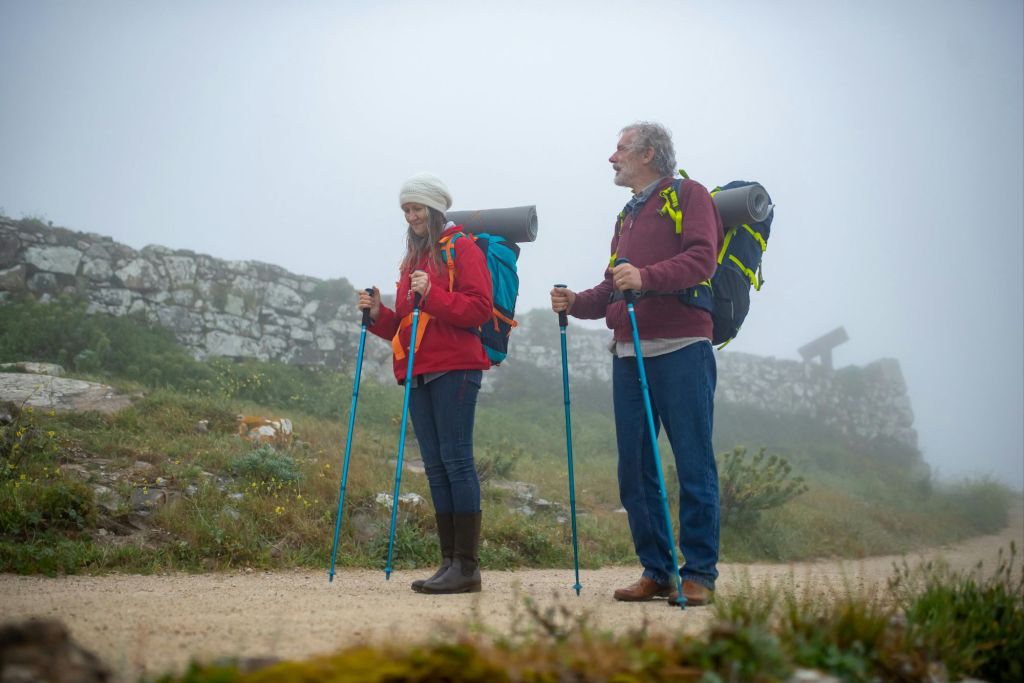
Photo by Kampus Production: Pexels
As you get comfortable, you’ll want to introduce a concept known as progressive overload. This means gradually increasing the weight, intensity, or duration of your workouts to continue challenging your muscles and seeing improvements. It’s a crucial strategy to keep progressing, but always listen to your body and adjust accordingly. If you don’t incorporate progressive overload at best you stop progressing but at worst you can even regress. The body is incredibly good at adapting which means if you don’t continue to challenge it, your body will adapt to the stimulation so we’ll the starting program will no longer do much. If you are working with a trainer or coach they will handle this aspect for you.
Photo by Marcus Chan: Pexels
After a while you might lose the motivation to continue, you will I’m sure have very personal reasons as to why you started it’s worth remembering this initial motivation. Here are a few potential reasons to move that hopefully will keep you motivated.
1. **Bone Health**: Regular exercise, particularly weight-bearing activities like walking and weightlifting, is essential for maintaining bone density. This helps prevent conditions like osteoporosis, keeping your bones strong as you age (Hamdy, 2021).
2. **Preventing Sarcopenia**: As we age, muscle mass naturally declines, a process known as sarcopenia. Staying active and engaging in resistance training can slow down this process, helping maintain muscle strength and size (Janssen, 2018).
3. **Independence and Enjoyment**: Fitness isn’t just about looking good—it’s about feeling good and being able to live life on your terms. Regular movement helps maintain independence, making daily tasks easier and more enjoyable. Whether it’s playing with your kids, gardening, or dancing, staying active enhances your quality of life.
Finally how do you set yourself up for the best chance of success?
– **Set Realistic Goals**: Start with achievable targets and slowly increase them as you build strength and endurance.
– **Find a Buddy**: Sometimes, having a workout partner can provide extra motivation and make activities more enjoyable.
Photo by Elina Fairytale: Pexels
– **Hire a Trainer**: Perhaps you already know you struggle with what to do and when or sticking to a program. Having an appointment keeps you accountable and takes care of “where do I start and what do I do”. It is also really important to seek the advise of someone who knows what they are doing if you are recovering from illness or injury. Part of which might be getting clearance from your doctor then seeking a trainer who can work with/around that condition.
– **Celebrate Small Wins**: Every step forward is progress. Celebrate milestones, no matter how small.
– **Remember why you started**: Keep in mind your personal reasons for starting as well as those listed above. Exercise is a lot like brushing our teeth, we don’t always want to do it, but we know it’s critical to good health.
Remember, the goal is to enjoy the journey as much as the results. Stay patient, be consistent, and your efforts will surely pay off.
If you would like to have personal training, yoga or Pilates in a private gym in Alnwick please get in touch.
– Janssen, I. (2018). The Challenge of Sarcopenia: Musculoskeletal Declines with Aging. *Public Health Reviews*, [online] Available at: <https://www.publichealthreviews.com>
If you would like to work with a personal trainer also qualified in yoga and Pilates in a private home gym in Alnwick please get in touch.
I am sharing this here as I feel it is important to talk about these things and honestly the sudden change in my HRT and drop to low levels has been pretty catastrophic for me as it often can for for people in surgical menopause. Hopefully I can get hold of my specilaist and get back to my normal self over Xmas. I will be dropping the letter into my doctor surgery later today.
Dear XXX Doctors,
I am a patient at XXX and wanted to raise an issue I ran into recently regarding ERT. I am a 50 year old woman and have been in surgical menopause since 2019. I did not initially fare terribly well on ERT and as a result sought the advice of a recognised menopause specialist registered with the BMS who as well as working privately runs NHS clinics. I initially consulted with her on the continuation of night sweats in October of 2021. She suspected I was not absorbing the transdermal oestradiol terribly well and recommended I increase estradot patches to 150 mcg. After this my night sweats, lethargy and hot flushes resolved.
Since that point aside from the odd infection I have remained generally in good health, my blood pressure is fine, cholesterol and all other blood markers appear to be within healthy parameters. I continued running my business and working on part time law PhD. All was in general fine.
On October the 23rd of this year Dr GP contacted me out of the blue. He felt I was on too high an ERT dose and wanted to drop my dosage. Which he did switching me from the 150 mcg patches to 4 pumps of estrogel. He believed that I would actually feel fine on that dosage and should I not after 6 weeks or so he would arrange blood tests to see if was absorbing the gel. At the recommendation of Dr Specialist when I began to have serious issues sleeping I increased to 5 pumps a day. Over the past 2 months since the change in my ERT I have had quite serious night time hot flushes that result in disturbed sleep, extremely low energy, I have struggled to concentrate and had to take time out of my PhD and felt so tired and actually at times very unwell I had to take time of work. I went from exercising 6 days a week and walking around 13000 to 15000 steps a day to struggling to exercise 3 to 4 times a week and walking 8000 steps a day. I also gained a few pounds in the process. However, I persevered believing that the doctor had my best interests at heart.
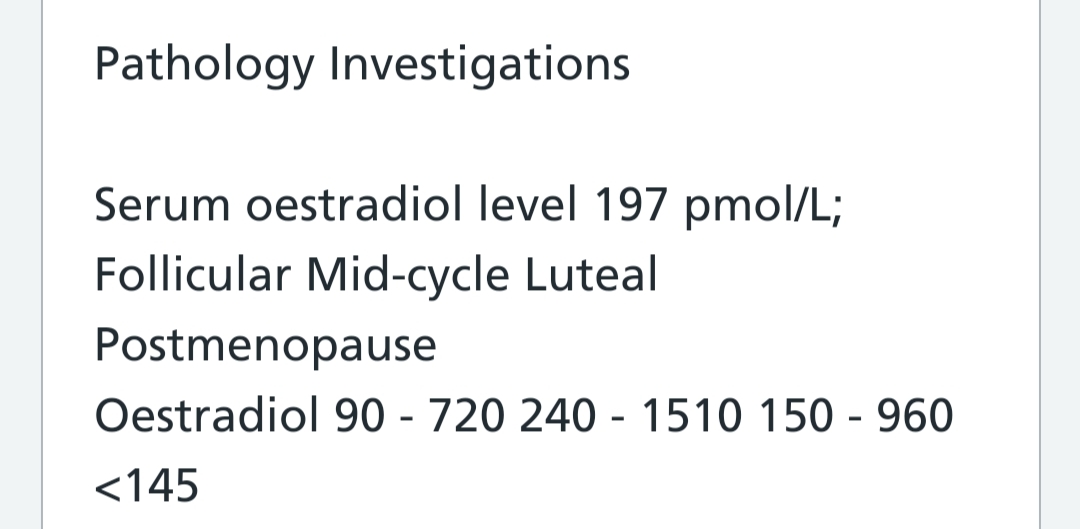
My oestradiol level was checked on the 13th of December and came back at 197 pmol/l (a low level) I also appear to have a higher than normal SHBG which may further be inhibiting absorption. Overall it is clear that I am not absorbing the transdermal gel terribly well. This is the case for some individuals. Dr Louise Newson has previously covered the reasons for this which may include the difference in skin thickness or distribution of capillaries[1]. It is important to note that the amount of medication applied is not the same as the amount of medication absorbed and some individuals are quite simply poor absorbers[2]. When my blood test results returned at the low end of normal and as I was suffering the return of symptoms my assumption was that it would be acknowledged that I was a poor absorber and would be returned to a dosage that allowed me to be free of symptoms and lead a decent quality of life. To my surprise Dr GP stated that he could not support a prescription for above the standard highest dose even with the evidence he requested provided. He suggested that I unofficially use more than the official prescription, but this leaves me with a situation where I may run out early. I also do not understand the logic.
I questioned why this was his recommendation and he stated that there was no evidence as to the safety associated with higher doses, however if I am not absorbing the majority of the gel I fail to understand how I am receiving a higher dose. Dr GP also stated that it was due to NICE guidelines. I could not find a statement in the NICE menopause section prohibiting higher doses in order to control symptoms, in fact the general guidance appears to be to adjust dosage according to response the guidelines also state “Adopt an individualised approach at all stages of diagnosis, investigation and management of perimenopause and menopause”[3] he also cited the main concern as being the risk of breast cancer however the NICE guidelines state “HRT with oestrogen alone is associated with little or no change in the risk of breast cancer”[4] The American Cancer Association states “estrogen-only HRT is not linked to a higher risk of breast cancer. The Women’s Health Initiative studies also found no increase in breast cancer risk in women using systemic oestrogen-only HRT.”[5] Even in women with the BRCA1 mutation who have undergone hysterectomies oestrogen only replacement does not appear to have any increased risk of breast cancer[6].
The other risks associated with ERT such as blood clots are commonly accepted to not be a risk with transdermal methods. I am not sure what risks I am avoiding then by having my oestradiol levels kept at a level that is no longer controlling menopausal symptoms. In fact there is research that indicates in the 50 to 60 age group women who have had hysterectomies and oophorectomies who avoid ERT are at an overall higher risk of all cause mortality[7]
When I raised the potential benefits of ERT to bone density which needs according to research to have blood levels of above 250 pmol/l in order to be effective I was informed that ERT was not given for that nor was it seen as relevant, the control of symptoms was the only reason for prescribing. An interesting statement when a patient raises it as a concern in particular when it is considered that falls are most common cause of injury related deaths in over 75 year olds and injury in over 65 year old. The issue being breaks which of course is far more likely with low bone density[8].
All in all I have been placed in a situation where I went from feeling well and active to not sleeping, gaining weight, feeling very unwell and unable to work plus not wanting to exercise. I was then told that fundamentally this was for my benefit. The appointment itself was classified as “women’s health”. I would be very interested to have it explained to me how gaining weight, losing work, not being able to pursue my PhD, not sleeping and becoming more inactive is going to benefit my health long term when all research would indicate otherwise. I suspect that the answer would be that I must just carry on as normal regardless of how awful I feel, women have historically often been told we must just put up with a lower quality of life and expect less, I did hope that in 2023 we were moving beyond that.
Then there is the matter of how this was undertaken which I feel was somewhat disingenuous, had at the outset the doctor explained that regardless of the outcome of drop in dosage, regardless of any return of symptoms and regardless of any blood results confirming poor absorption he would simply not prescribe above the standard dosages it would have been rather more honest. At which point I would have sought advice from the menopause specialist, not reduced or changed my ERT and asked to undertake blood tests to ascertain my levels at that point. I suspect in doing so I would have avoided a few rather unpleasant months. I presume that the real reason has little to do with my health or wellbeing which has done nothing but deteriorate since Dr GP decided to call me in October and more to do with cost reduction.
I am going to see the menopause specialist with my blood results as soon as I can, which may be tricky over Christmas. I am lucky that I can afford to do so but many other women would not be able to do so and they deserve a quality of life. Being over 50 or in menopause surgical or otherwise does not mean our day to day ability to function in the world should be viewed as so utterly meaningless and insignificant. We still have a great deal to contribute and for those who menopause symptoms are significant HRT or ERT may be a part of being able to do so. However that means ERT/HRT at a level that actually controls symptoms. It may well be necessary to check that levels are within normal ranges via blood tests, if the blood tests come back at the lower end of the range and symptoms are present the logical approach would be to adjust the dosage not tell the patient that they should be fine regardless of whether they are. Women deserve better.
In a previous post looking at the habits and lifestyle of people living in blue zones one of the aspects looked at was the importance of community, not only our own family but need for strong friendships. This isn’t a surprise, I think we all know the importance of having people in our lives who have our backs. It may however suprise you to learn that strong social networks appear to reduce our risk of heart disease, some cancers, make it more likely we will survive a health crisis and quite simply increase our chance of living a long healthy life.
But in the modern world it isn’t always that simple, working patterns, less interaction between neighbours, moving far from home all play into people becoming more isolated. Then throw in social anxiety, a divorce or caring responsibilities and it can seem impossible to expand our social circles never mind be part of a community.
This all makes the advise of having strong community links for the benefit of our health seem like empty words so what do we do?
Honestly it’s not an easy situation but I have had to rebuild my circle from scratch more than once, in my early 20s after a big relationship break up, in my 30s when I moved to a different town and then in recent years when after a long period of caring for my daughter I found I had lost many friends during her illness. Here’s a list of ideas based on what I found worked for me:-
Photo by Alena Darmel
Be open to opportunities for new friendships, if you really hit it off with someone ask them out to coffee, the worst that will happen is they politely say no.
Join stuff, all the stuff! Anything that takes your interest, book clubs, Spanish classes, true crime groups, gyms. Really anything that you will enjoy that also gives you a chance to meet people. The enjoying the actual activity is an important aspect as it might be that there is no one there that you gel with but it gives you an activity to look forward during the week regardless. That in itself is confidence building
Be open to trying entirely new experiences, maybe you actually are a budding surfer or ariel yogi.
Apps these days are amazing, there are meet new friends apps such as peanut and one of my favourites MeetUp which has events and get togethers close by listed. Although I have yet to find something in my town via MeetUp I have joined a couple of really fun groups in the nearest city.
Realise that you are not going to be everyone’s cup of tea and that is actually ok, there may be places where you just don’t fit. If that is the case just move on, it’s impossible to make yourself fit somewhere you don’t and wastes time you could be spending on other more fruitful situations. A rule of thumb as to whether you don’t fit somewhere is if you stop going does anyone from that social situation or group stay in touch or reach out? If the answer is no, especially if you’ve been part of that group for sometime chances are they aren’t your people or your friends. If people from that group actively shun you once you are no longer part of their network they absolutely were never friends in the first place. Harsh, but better to figure it out sooner rather than later.
To a lesser degree the same applies to individuals, if you only ever reach out and it is never reciprocated as far as suggesting plans etc question if that person is actually there for you. There are times when people are just overwhelmed with work or family responsibilities which is understandable but there are also people who will just take advantage. Before my daughter developed cancer I had some what I thought were really close friends, I was always in the supportive role of their lives and dramas. The second my daughter became ill and I was the one needing support two of my oldest friends vanished and I didn’t hear from them again. I am now much more aware of the signs of people who will use me to their benefit. Building your community means finding people who will support you, not just people who want your support.
It is even more likely there will be places you don’t fit if like me you are neurodiverse. Don’t worry though your weird soul friends are out there and you will thrive all the more when you find them!
Re-connect with old friends, if you stopped seeing each other due to circumstance rather than a break in the friendship there is a good chance that whatever was there before still is. It can be tricky to reach out out of the blue but most of the time we are actually thrilled to hear from someone we share history with.
Once you start to build your little community of friends be patient, each new friendship is like a seedling. Some will grow others may not. Focus on the friendships that are growing and nurture them with your time.
Make plans. This is an obvious one, but it can be very easy to put off seeing people over and over again. Especially if busy with work and family. I don’t think I’ve ever made time for a friend and regretted it, even when I’m exhausted.
Most of all enjoy the process, it can be daunting as an adult to make new friends, but it can also be a huge amount of fun if you let it!
Photo by Polina Tankilevitch
Good luck and here’s to all the beautiful people in our lives who bring joy to our days, wine to our glasses and laughter to our bellies and nourishment to our souls! I am very lucky to have a batch of people in my corner now who I know have my back and who I hope realise I have theirs.
If you would like to work with a personal trainer in a quiet setting in Alnwick Northumberland get in touch!
What are blue zones and why do they matter for healthy aging?
What better way to know what works in sustaining a long healthy life than learning from those who have already reached over 100? Rather than having a hypothesis and testing it with regard to longevity these are people who have already successfully achieved the result we all want, a long healthy disease free old age. It seems that we have a good chance of doing so too should we wish, a Danish twin study established that only 20% of aging is genetic the other 80 in how we live[1]
But how should we live? That brings us to what are now known as The Blue Zones, in the early 2000s journalist Dan Buetter[2] set out with the help of the National Geographic to discover the areas of the world where people lived the longest and what secrets their lifestyle would reveal. He planned to find not only areas where there was a large number of centenarians, but the population had less of the diseases that have become common in the Western world; diabetes, heart disease, obesity etc.
In his research he identified the following 5 areas-
Ikaria, Greece
On this Mediterranean Island they boast some of the lowest global rates of middle age death and dementia believed in large to be due their traditional Mediterranean diet free from processed foods and rich in vegetables, fats with some meat and dairy.
Okinawa, Japan
Here some of the world’s most long-lived women enjoy an excellent later life, they have a natural diet containing plenty of Okinawan sweet potatoes, soya beans, mugwort and turmeric.
Ogliastra region, Sardinia
A mountainous Italian region where the highest proportion of oldest men in the world live, they eat a predominantly plant based diet that is low in protein and is according to some research linked to lower levels of mortality in under 65s along with lower rates of cancer and diabetes. Professor Valter Longo[3] an eminent researcher in the field of longevity recommends a low protein diet as a result. He is involved in a number of research projects examining the benefits of a low protein diet and fasting.
Loma Linda, California
The largest number of Seventh-day Adventists can be found here, they live around 10 years longer than the average American. Their vegetarian diet consists of grains, fruits, nuts and vegetables. They also eschew spices, alcohol, and caffeine.
Nicoya Peninsula, Costa Rica
The second largest number of centenarian men can be found with the locals subsisting on a diet of vegetables, beans, rice, some meats and coffee[4].
It is easy to spot the commonalities with regard to diet, the diet in each area is unprocessed and based around whole foods. The foods themselves vary from vegetarian to meat eating some with dairy some without, the Seventh-day Adventists are teetotal, the Mediterranean areas enjoy a little wine. However, they all have a focus on home cooking, quality ingredients with high levels of vegetables and fruits.
Perhaps then it does not matter what our dietary preference is be it Vegetarian, Vegan, Paleo or Omnivore. The key may be as simple and common sense as eating a largely unprocessed diet of whole foods and ensuring plentiful vegetables and fruit throughout the day. The finer points being up to each of us to decide.
A great deal of this may not be news to you, I think we are all aware of the need to eat a whole food unprocessed diet and particularly of the benefits of fruit and veg. In fact I would say the dietary aspect of the blue zones has been the most highlighted in the media and has been the subject of the greatest wealth of further research. In particular the Mediterranean diet.
However we can’t simply pick one aspect of these areas in isolation from the rest of the life style, what about the rest of the day to day life of those who enjoy health and extreme longevity.
All of the blue zones had other characteristics that are of equal important to dietary habits.[5]
1. Movement, in each area people are active right the way through their lives, in the mountainous areas of Sardinia walking miles in hilly terrain is normal, the Seventh-day Adventists engage in deliberate daily activity. Compared to the Western world’s standards very high levels of activity are normal. Walking to commute for example remains part of life into peoples 90s as does engaging in physical jobs and hobbies[6]
“the average time spent sitting per day for Ikarian residents≥90 years of age is 90 min per day. Similar results with a different form of measurement were reported for the Sardinian participants≥90 years of age regarding productive rest. The total daily resting time was measured by the participant’s duration of night’s sleep and time spent in supine in the waking day, which resulted in only 8.5 hours for men and 7.4 hours of total daily rest on average out of a 24-hour period”[7]
This is a stark contrast to how aging is both seen and treated in the UK and America, activities tend to be wound down with age and older people are often encouraged to take it easy rather than get out and about.
2. A sense of purpose, having a reason to get up in the morning, a why is linked to longevity and common within these communities.
3. A sense of belonging and community, again all of these regions have strong senses of community and involve elders actively within the community. Social connections are connected to not only greater quality of life but longevity.
“by the time half of a hypothetical sample of 100 people has died, there will be five more people alive with stronger social relationships than people with weaker social relationships.”[8]
Friendships and being included within daily life quite literally can save your life. Again contrast this with the way elders are treated within the UK and the US, often isolated, lonely and far away from family members. Loneliness and isolation are associated with heart disease, stroke, Alzheimer’s and other serious health issues. In fact, the risk may rival smoking.[9]
It is also worth being aware that intergenerational friendships (a part of life in blue zones) benefit not only the older individual but also the younger person. Both gain different perspectives and are able to share valuable insights, in cases where older individuals mentor young adults it was found
“55% less likely than their peers to skip a day of school
78% more likely to volunteer regularly
130% more likely to hold leadership positions”[10]
Community is good for all of us it seems.
4. Healthy friends, it doesn’t come as a big surprise that the people we spend time with influence our behaviours, in other words if you want to live a long healthy life spend time with people who encourage healthy behaviours.
In short, eat well, eat plenty of plants, move a heck of a lot more than you probably do and spend quality time with good people of all ages who encourage you to do all of the above! I realised a few months ago that although I exercised regualrly I also sat a lot during the rest of the day, due to this I set myself a 15,000 steps a day challenge which I will post about later. I have also joined a few new social networks as my social circle shrank dramatically when my daughter was unwell for a few years. We maybe can’t follow all of the recommendations but perhaps by getting as close as we can to the lifesyle ot the blue zones we will live just that little bit longer and perhaps more importantly those years will be in good health. Let me know what you plan to do help add a few years to your life and life to your year!
If you would like to work with a personal trainer in a quiet setting in Alnwick Northumberland get in touch!
– Wear whatever you want. Clothes are fun they don’t have to stop being fun because your birthday cake now has enough candles to start a small house fire. – Go grey, don’t go grey, shave your head, dye your hair purple, ignore whatever the “hair for over 40s/50s” pages say and wear it however you want. – Keep being fearless, go where you want to, dance when you feel like it, travel, find new adventures we are NEVER too old for new adventures. – Re-invent yourself, if it was good enough for Bowie it’s good enough for us. Take a degree, learn a new skill, take up an instrument. We live at an amazing time where we can change and learn at any time. – Ignore anyone who tells you you’re too old for this that or the other, unless it’s soft play, we probably aren’t allowed in soft play areas for good reasons. – Move and enjoy it, bodies love to move remember how amazing it was as a kid just to taste different shapes with your body? Find a type of movement you enjoy and indulge in the sheer sensory experience of it! – Most of all have fun, yes there are things in life we have to do but don’t let your days become so crowded you lose all time for fun. You matter too. – Finally be proud of your age, you have achieved so much and come so far. The last time someone called me old (as an insult) I replied “yes I’m old as f**k and that’s neither the revelation nor the insult you think it is!”
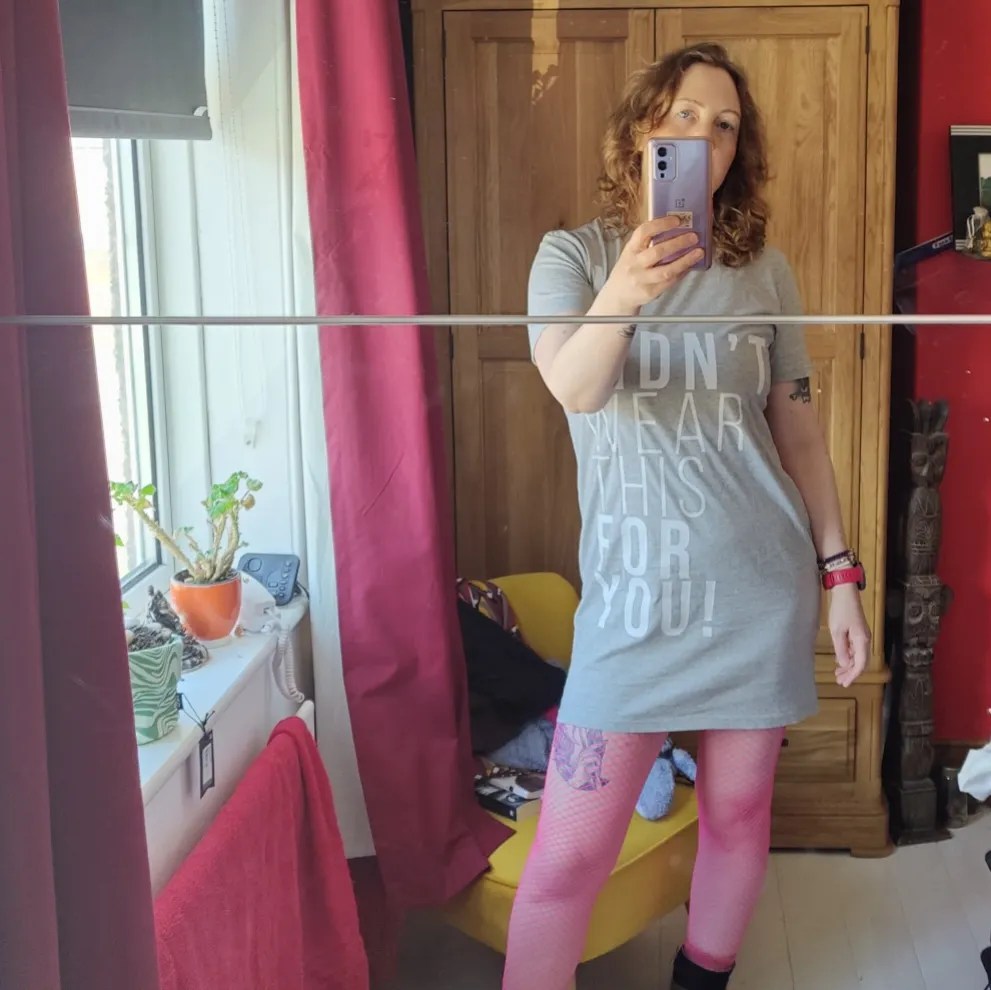
Here’s to rebellious aging! My dress reads “I didn’t wear this for you” especially for all the people who think nearly 50s/ over 50s shouldn’t wear short dresses
If you would like to work with a personal trainer in a quiet setting in Alnwick Northumberland get in touch!
I’m no spring chicken. I’m turning 49 in a few short months which means next year is 50! Holy crap how did that happen!!
This means the body I have is a different body to the one I had when I began practicing yoga and Pilates in my 20s. This body has carried and birthed children, this body has endured injuries and extreme stress when my daughter had cancer. It has carried me through good days and bad and into early menopause due to a hysterectomy.
But when I wake up nothing hurts, I don’t have joint pain or back ache. I don’t start the day with painkillers and I still enjoy all the activities I did when I was younger. In fact I actually exercise more than I did in my 20s.
At this point you may be thinking “oh well bloody awesome for you all of me hurts” and the thing is I’ve been there.
I had years on and off serious ill health due to a hypermobility spectrum disorder. Wow did everything hurt. It was exercise that turned it round, I needed to add more of strength training focus to my movement to stabilise my joints. After that life at least physically became a lot easier.
Thanks to exercise menopause as yet has not been a problem, I’m now 4 years into menopause and haven’t gained weight and recently actually saw the peaking through of abs. I sleep well and my energy is pretty good. I started my PhD in September 2020, go out regularly with friends and honestly am loving life right now with no intentions of showing down.
How does this ramble apply to you? Well you don’t have to accept aches and pains as a for gone conclusion of the aging process, if we stay flexible and look after our muscles we can enjoy the later years of our life as much as the early ones if not more! You can also turn things round if you are waking up aching, oh boy can you turn things round. I’ve had students who were seen monthly at the pain clinic within 6 months stop talking painkillers altogether. Others went from being in serious pain and hardly sleeping to still being a little sore but sleeping through the night.
But it does take a little work, an aging body like a classic car needs a little tlc, we need to use good fuel we need to keep moving, and we need to do both with some intelligence.
I’m rubbish at blowing my own trumpet, honestly I hate the self promotion stuff BUT I have lots of personal experience, two decades of teaching experience and 6 teacher training qualifications and would be happy to help you get moving in a way that works for you!
If you would like to work with a personal trainer in a quiet setting in Alnwick Northumberland get in touch!
I entered full menopause at 46, a little earlier than average due to a full hysterectomy. As my menopause was a surgical menopause it was a little different to natural menopause, if you think of natural menopause as being a run down a steep stony hill, at times tricky and not at all easy then surgical menopause is being thrown straight off a cliff without a cord parachute or anything soft to land on.
My main worry with menopause was that it would stop me exercising. Movement is such a huge part of who I am and honestly it’s how I stayed sane through some very difficult times such as my daughter’s cancer and rare disease diagnosis.
I had heard so many stories of people changing almost entirely post menopause that honestly I was a little terrified.
The hysterectomy was itself very straight forward and I actually went for a very short walk/shuffle the day after. I did this every day for the first month after, by 4 weeks I started to walk/run.
At two weeks I was able to start HRT, for me it felt like the best option. I was under 50 and wanted to protect my bones and heart. I also wanted a quality of life.
So what issues did I face post menopause?
Weight does seem to settle more around my middle and my face than it use to which I manage by moving in ways that I enjoy and eating well focusing on fruit veg and proteins. Of course with some fun things too.
Sleep at times was a problem, sometimes getting to sleep has been tricky other times I’ll wake at a silly time and not be able to get back to sleep. Exercise helps so much with sleep, I honestly cannot express how much it helps. As does bright light early in the morning.
Pelvic floor, now I don’t know if it was due to the surgery or if it was due to surgical menopause but after about 3 months I found myself waking 3 to 4 times a night to pee. I did a lot of work both strengthening and creating flexibility in my pelvic floor. Now I wake at most once a night. We do a lot of pelvic floor work in Pilates, if you are having issues there are also some really good pelvic floor PTs that can help. I didn’t see one but if I hadn’t managed to get things in check myself I would have.
HRT, it took me a long time to find the right type and levels for me. Now I’m using estrogen patches and a little testosterone. If HRT is something you want to try and it doesn’t work after a few months or as well as you think it should don’t be afraid to try another type.
Anxiety, I have never had anxiety in my entire life until menopause and then BOOM out of nowhere, even with HRT. Both movement generally and the mindful movement that we find in yoga and Pilates helped with this. Just sitting breathing slowly and consciously can reduce heart rate and drop both cortisol and adrenaline levels.
Blood pressure, I have always had super low blood pressure. Passing out kind of low, after surgical menopause it went up. Not dangerously high but higher than I wanted. It’s not uncommon for this to happen in surgical menopause, no one really knows why. I brought it back into control through diet and exercise. It’s still something I need to be aware of and another reason to keep moving.
Caffeine, I can’t take more than a couple of cups of coffee a day and any after midday and I can’t sleep.
Other than that menopause for me so far has been a thoroughly positive experience, no more periods and no more mood swings thank God!!! But without exercise I’m not sure how it would have been at all.
If you would like a bit of help with getting moving while transitioning into the best years of your life get in touch
If you would like to work with a personal trainer in a quiet setting in Alnwick Northumberland get in touch!
– You will strengthen both core and back which can help with back issues due to either weak or tight back muscles.
– Both help to prevent injury from either day to day life or exercise/sport by helping to keep your body flexible and improving general mobility.
– Both compliment other forms of training as active recovery and research has found core stability particularly translates into an improvement in sports performance.
– Expect an improvement in posture which helps prevent/improve upper back rounding and discomfort.
– You will see an improvement in your co-ordination and body awareness.
– You will experience a decrease in stress, lower cortisol and adrenaline levels which in turn can reduce blood pressure.
– Your balance becomes far better which is a hidden and rarely thought about aspect of fitness.
– The pelvic floor muscles will get stronger, an important muscle group for everyone!
– Oh and both make you more flexible!
If you would like to work with a personal trainer in a quiet setting in Alnwick Northumberland get in touch!
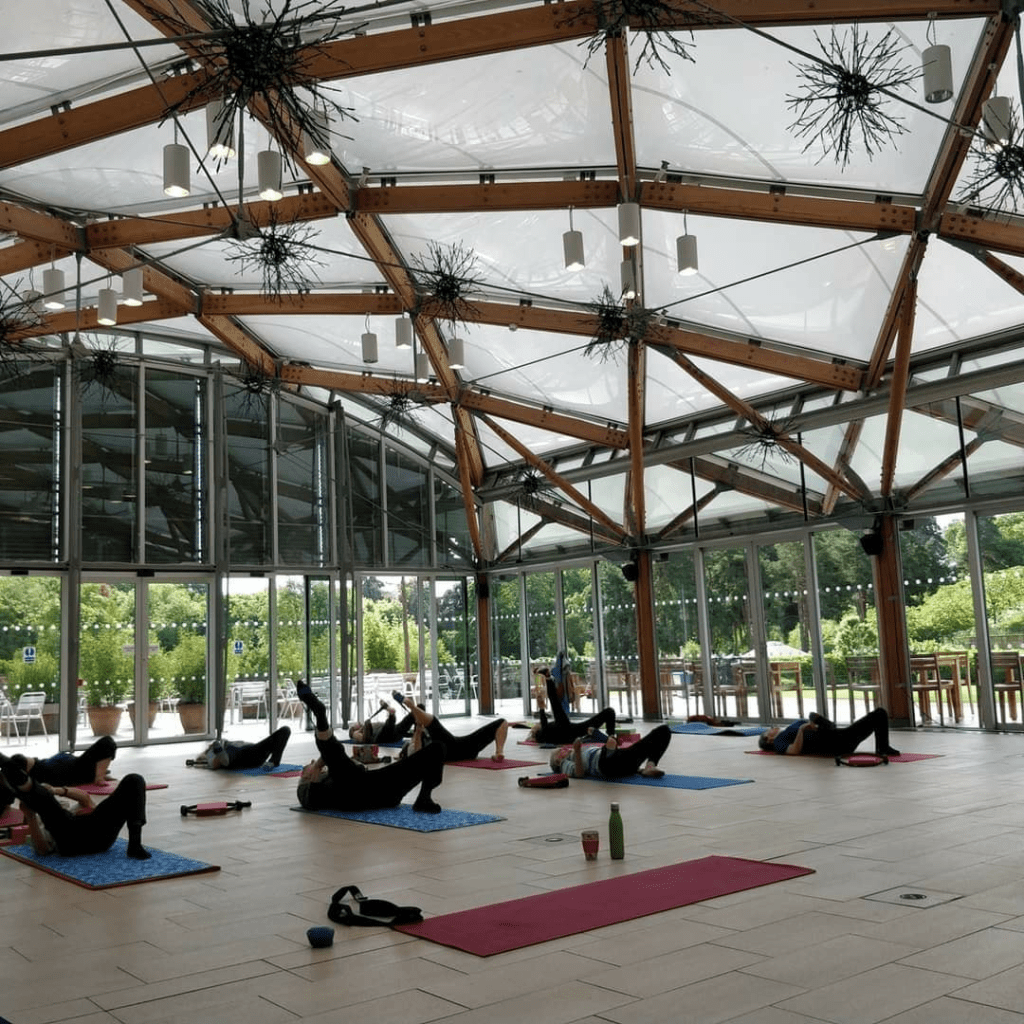
1. There will be a mix of abilities from super stretchy to “the only way I can touch my toes is by sitting on a chair and bending my leg” and everything in-between. Which is perfect and how it should be. Everyone is there for the same reason, to look after themselves improve how they move and enhance their quality of life as a result.
2. Everyone wears what they want from joggers or soft trousers to leggings. No high fashion needed.
3. Mats are available for the session, you don’t need to buy equipment. With the Alnwick gardens classes let me know the day before if you would like to borrow a mat.
4. People are super welcoming, honestly I haven’t had a student come to class who wasn’t just lovely.
5. You will touch places you haven’t for a while, which is a good thing. But at no point will you ever be asked to do anything you feel uncomfortable with.
6. There will be a thousand different varieties for every position from students who take the class from a chair to ex athletes. Don’t think that either your needs won’t be adapted to but equally that you won’t be challenged. I love to teach classes to a variety of bodies and make it (hopefully) fun for everyone.
7. You can ask questions I am a very experienced teacher and have been teaching for nearly two decades now. I have taken 6 teacher training courses in 4 different countries and two continents so am happy to have my brain picked.
8. You will hear bad jokes. Sorry it’s just how I am.
9. You will feel super chilled by the end. There is just something magical about moving with breath that can’t be explained only experienced.
10. On top of all of that you will of course get stronger and more flexible!
See you on the mat
If you would like to work with a personal trainer in a quiet setting in Alnwick Northumberland get in touch!










 Sam Kelly Fitness